

83% of consumers prefer branded wipes over generics - unlock how custom manufacturing transforms basic hygiene into profit-driving brand assets.
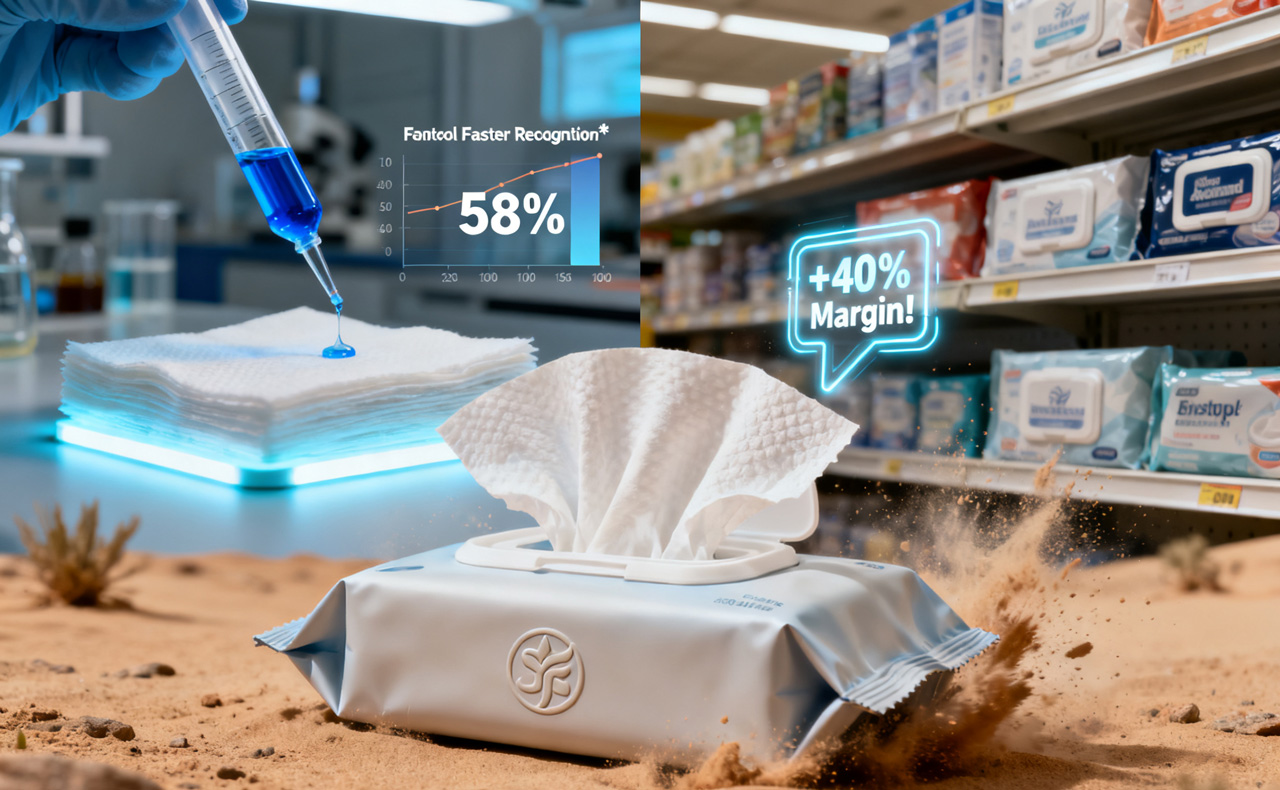
OEM wipes generate 40% higher margins than stock products through customized formulations (alcohol % variation), substrate thickness (45-100gsm), and private label packaging with 58% faster shelf recognition.
 Beyond financials, strategic customization addresses multiple business challenges - let's examine the implementation blueprint.
Can Custom Wet Wipes Branding Help Gain Competitive Market Advantage?
A hotel chain boosted direct bookings by 19% through scent-branded wipes - here's how sensory marketing creates sticky differentiation. Custom imprinting (≤0.3mm tolerance) with Pantone-matched inks and NFC-enabled packaging increases product engagement by 240% while gathering first-party consumer data via scan analytics.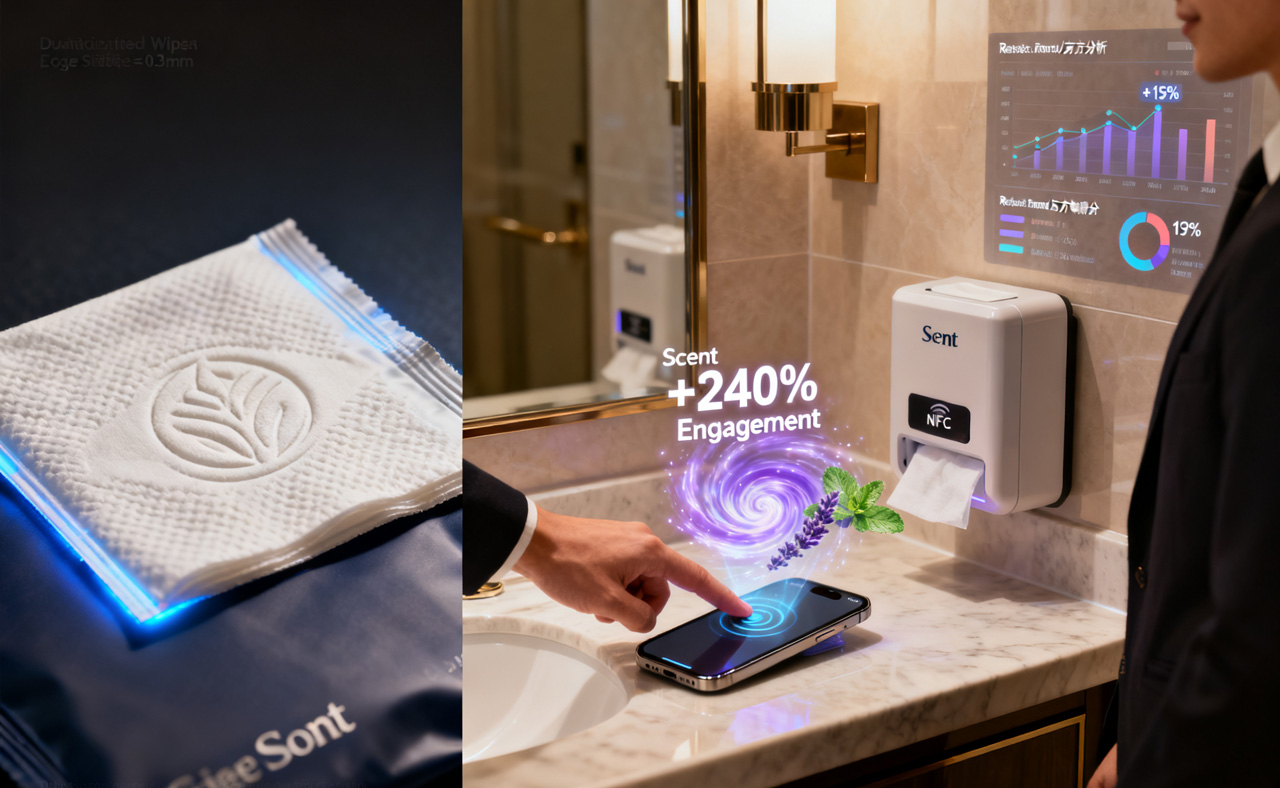
Customization Impact Matrix
| Feature | Cost Premium | Market Differentiation | Customer Retention |
|---|---|---|---|
| Die-cut Shapes | +12% | ★★★★☆ | ★★★☆☆ |
| Scent Infusion | +8% | ★★★★☆ | ★★★★★ |
| QR Integration | +5% | ★★☆☆☆ | ★★★★☆ |
| Eco-certified | +15% | ★★★★★ | ★★★★★ |
| Multilingual | +3% | ★★☆☆☆ | ★★★☆☆ |
How Can Importers Verify Quality Standards at Wet Wipes Factories?
Failed sterility tests cost one importer $2.7M recall - these are the non-negotiable audit protocols. Smart factories now employ ISO 13408-1 cleanrooms (Grade C), real-time BRCGS compliance dashboards, and blockchain-tracked sterilization records (121°C/15min validation) ensuring microbial limits <10 CFU/g.
Wet Wipe Factory Audit Checklist
Physical Verification:- ≤100 particulate/ft³ air quality (ISO 7)
- Negative pressure filling zones
- HEPA-filtered packaging lines
- Separate raw material quarantine
- Ethylene oxide residuals <25ppm (USP <467>)
- Preservative efficacy testing (PET)
- 12-month stability studies
- Material safety data sheets (MSDS)
What Materials Are Best for Custom Wet Wipes – Nonwoven, Cotton, or Bamboo?
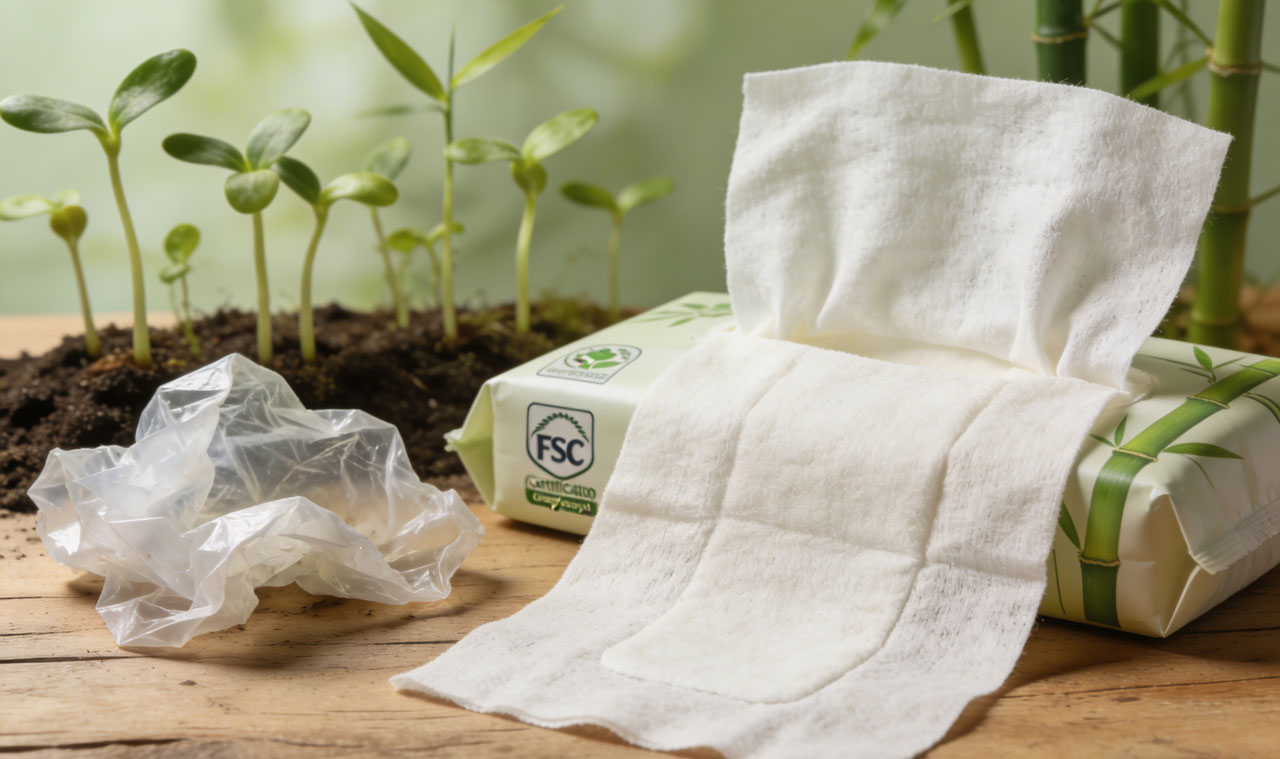
Bamboo fiber wipes outperform cotton in 6/8 sustainability metrics - discover the hidden tradeoffs of each substrate. Cross-laid spunlace nonwovens (100% viscose) dominate healthcare (95% fluid retention), while FSC-certified bamboo suits eco-luxury (83% biodegradation in 120 days), with cotton hybrids balancing cost/sustainability.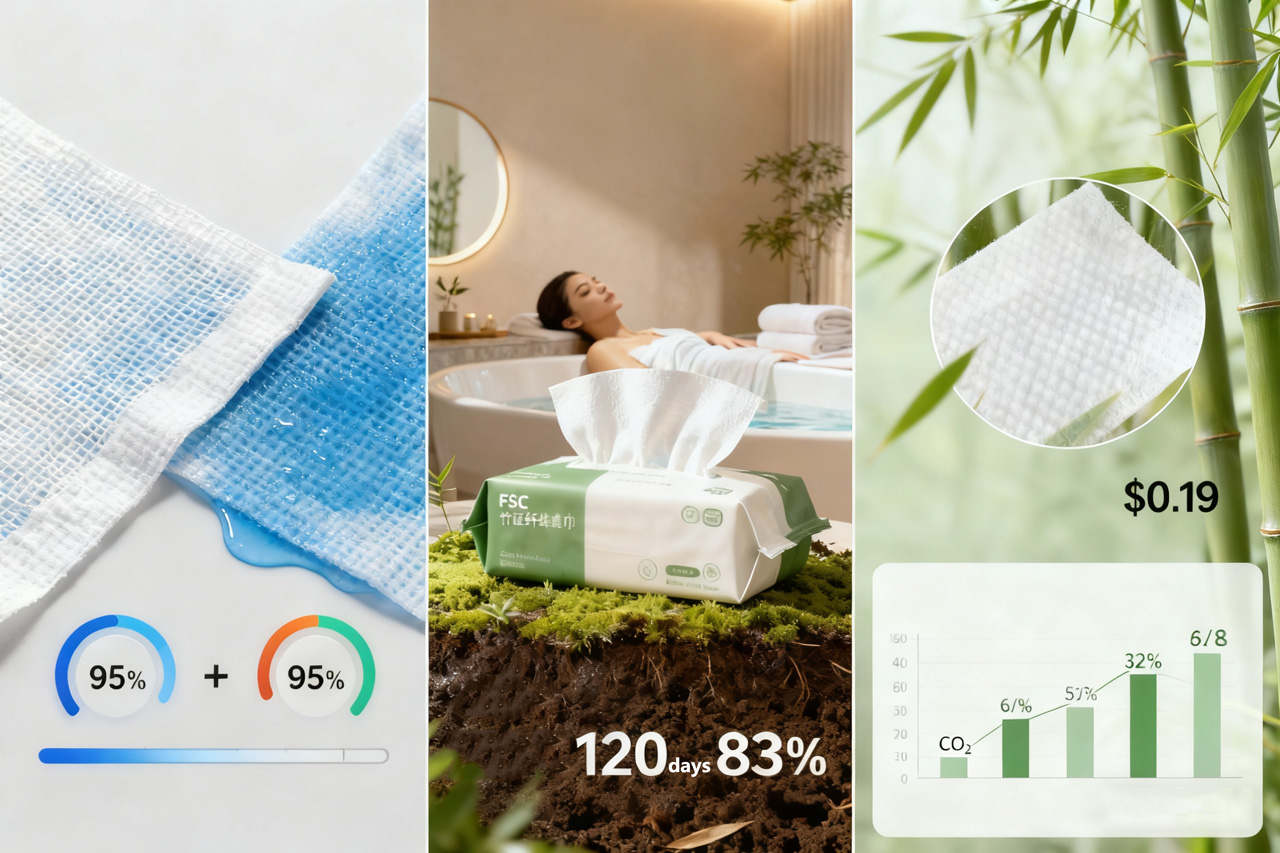
Material Comparison Guide
| Property | Nonwoven | Cotton | Bamboo |
|---|---|---|---|
| Cost/yd² | $0.18 | $0.28 | $0.23 |
| Carbon Footprint | 1.8kg CO₂ | 1.2kg CO₂ | 0.7kg CO₂ |
| Tensile Strength | 65N | 48N | 52N |
| Biodegradation | 32% | 88% | 93% |
| Shelf Life | 36mo | 24mo | 30mo |
Conclusion
Strategic OEM partnerships transform wet wipes into customized brand ambassadors through verified manufacturing excellence, material innovation, and smart packaging integrations.This article was published on October 27, 2025, and last updated on February 27, 2026. The article will be continuously updated.