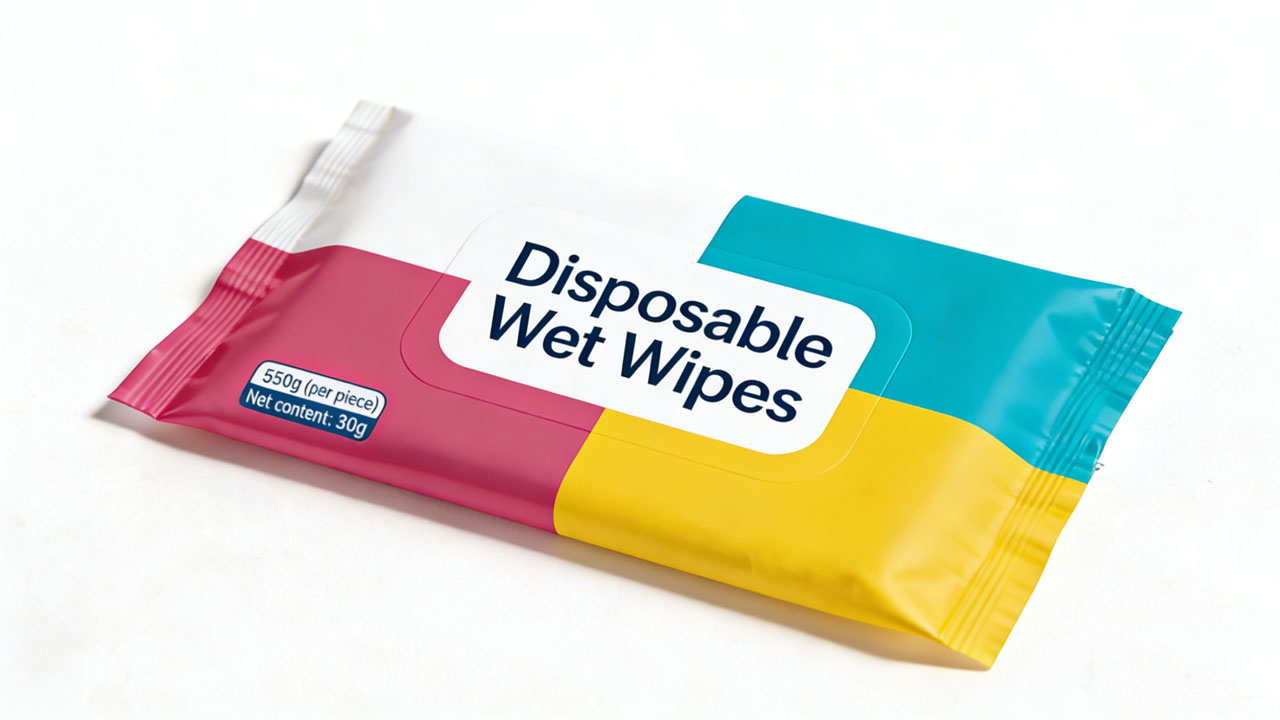
Every second, 87 single wet wipes are used globally—their convenience meeting today’s hyper-mobile lifestyles and hygiene-conscious world.
Single wet wipes dominate the market due to portability (fit in wallets/pockets), multi-purpose use (skin, surfaces, personal care), and on-demand hygiene—perfect for travel, healthcare, and daily routines.
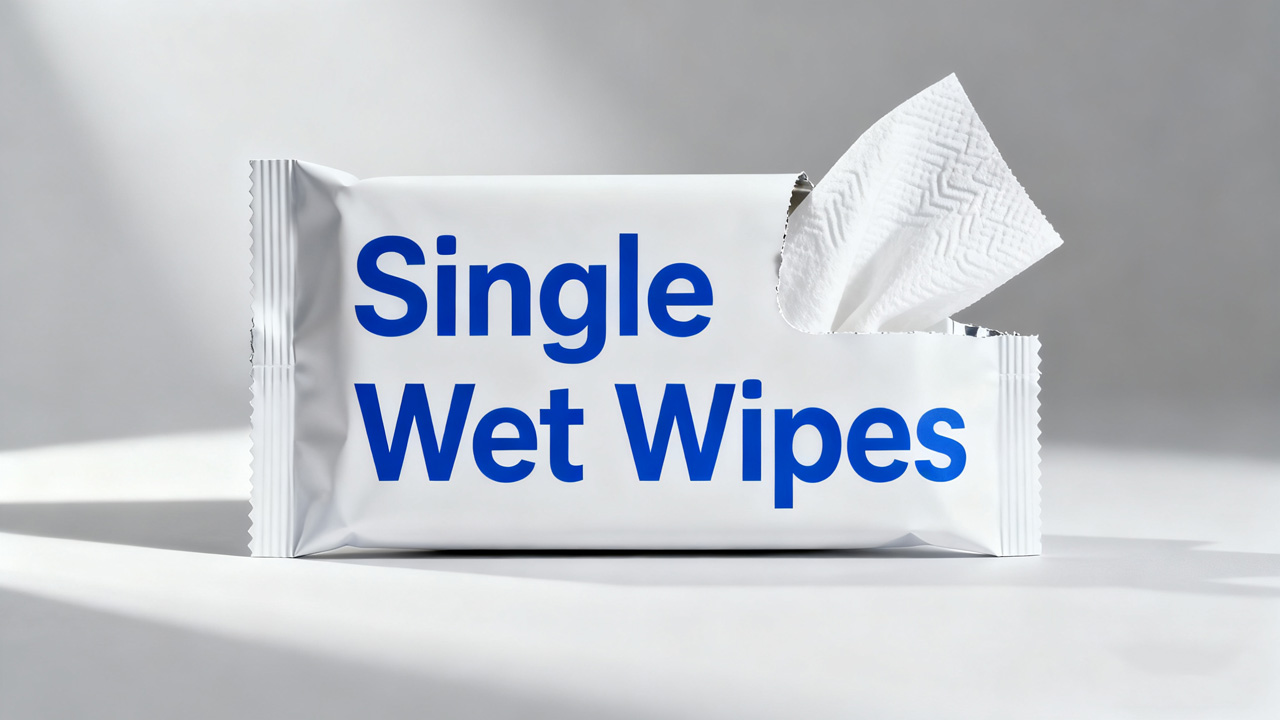 Beyond convenience, eco-conscious buyers and brand-focused retailers are pushing the boundaries of single wet wipe innovation.
What Makes Biodegradable Single-Use Wipes the Best Choice for Eco-Conscious Buyers?
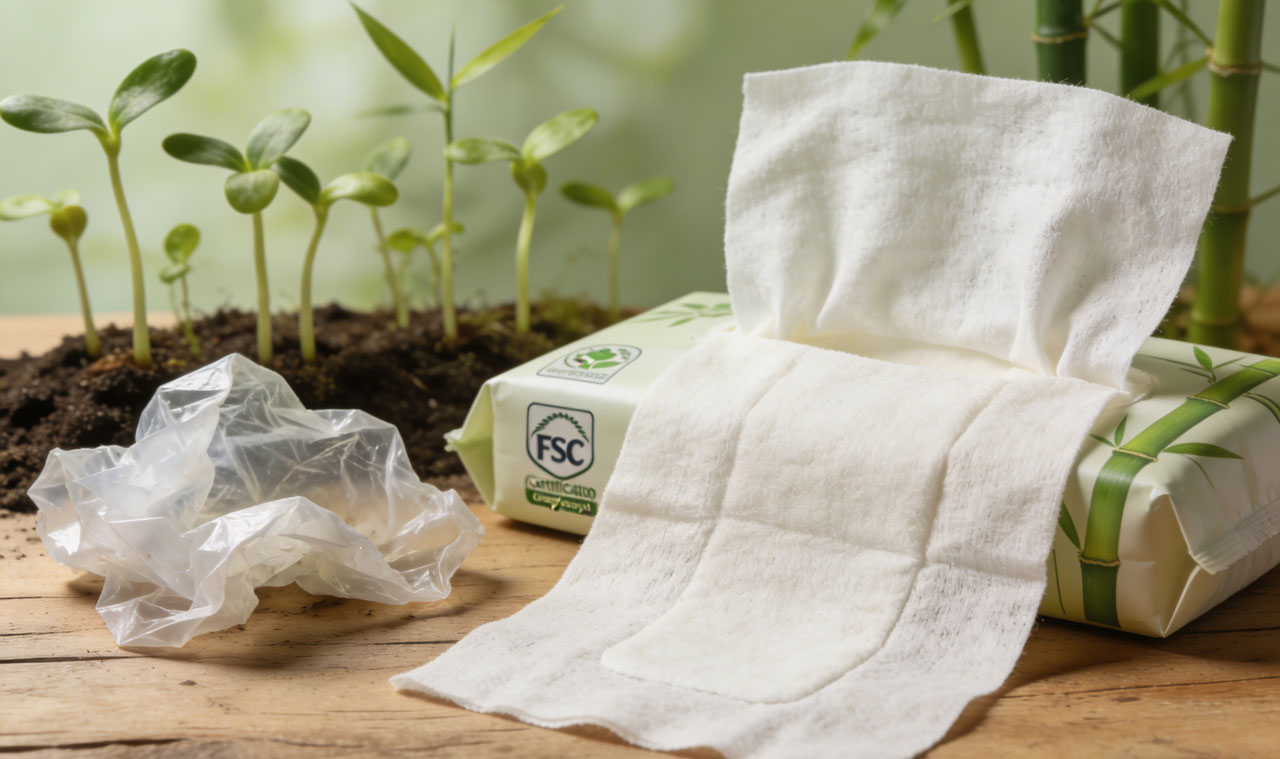
Traditional wipes take 100+ years to decompose—bio-based alternatives break down in just 12 weeks under composting conditions.
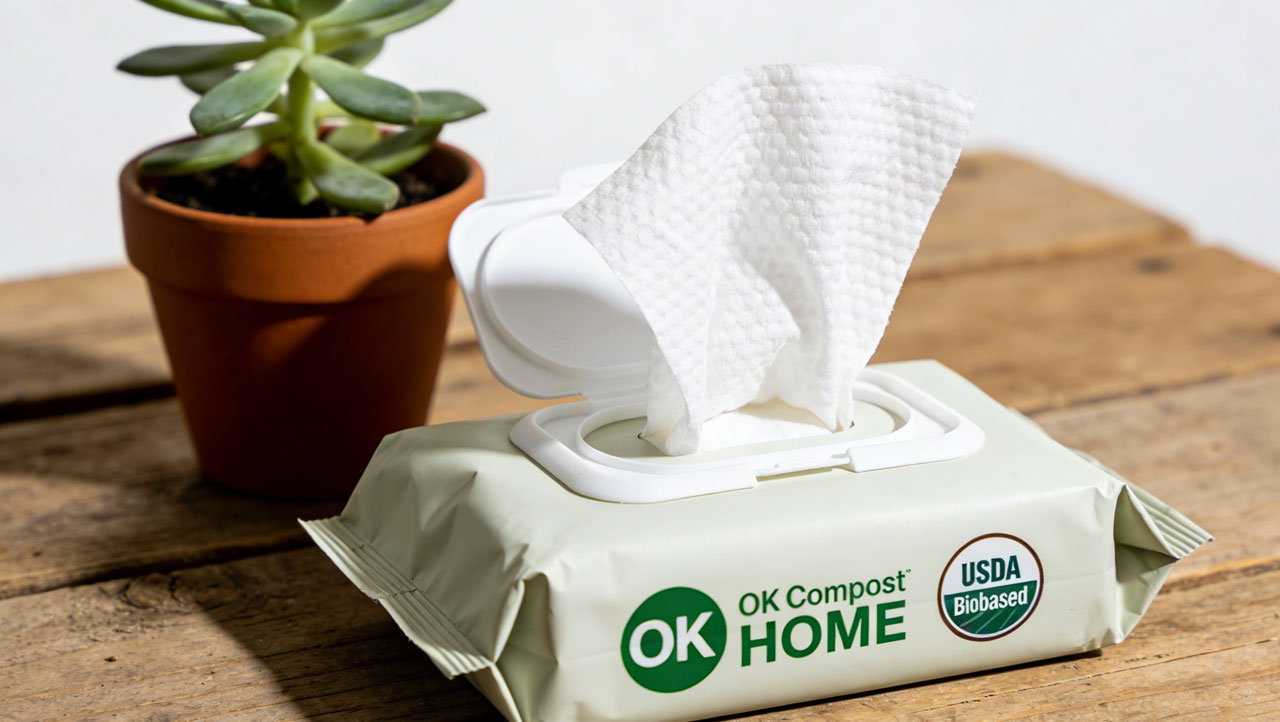
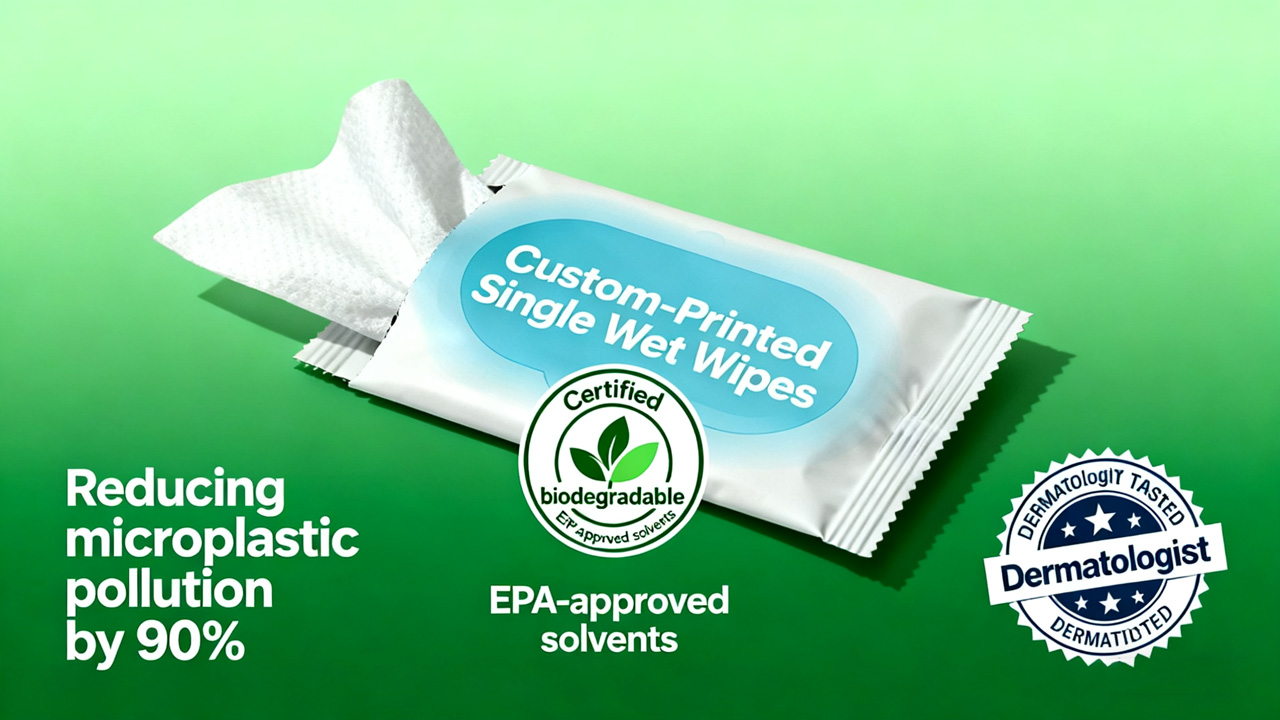
Certified biodegradable wipes use plant fibers (like bamboo or FSC wood pulp) and EPA-approved solvents, reducing microplastic pollution by 90% while maintaining dermatologist-tested gentleness.
Eco-Wipes Material Comparison
| Component | Traditional (PET) | Biodegradable | Compostable |
|---|
| Base Material | Polyester | Bamboo Viscose | Cotton + PLA |
| Decomposition | 150 years | 6 months | 8–12 weeks |
| Carbon Footprint | High (3.2kg CO₂/kg) | Low (1.1kg CO₂/kg) | Neutral (0.5kg CO₂/kg) |
| Certifications | – | OK Compost, TUV Austria | USDA BioPreferred, EU Ecolabel |
- pH-balanced (5.5–7.0, skin-safe)
- Alcohol-free (preserved with lactobacillus ferment)
- Wet-strength tested (no tearing during use, but breaks down post-disposal)
Can Custom-Printed Single Wet Wipes Boost Brand Visibility for Retailers?
Branded wipes achieve
30% higher recall than traditional merch—custom prints create direct consumer touchpoints.
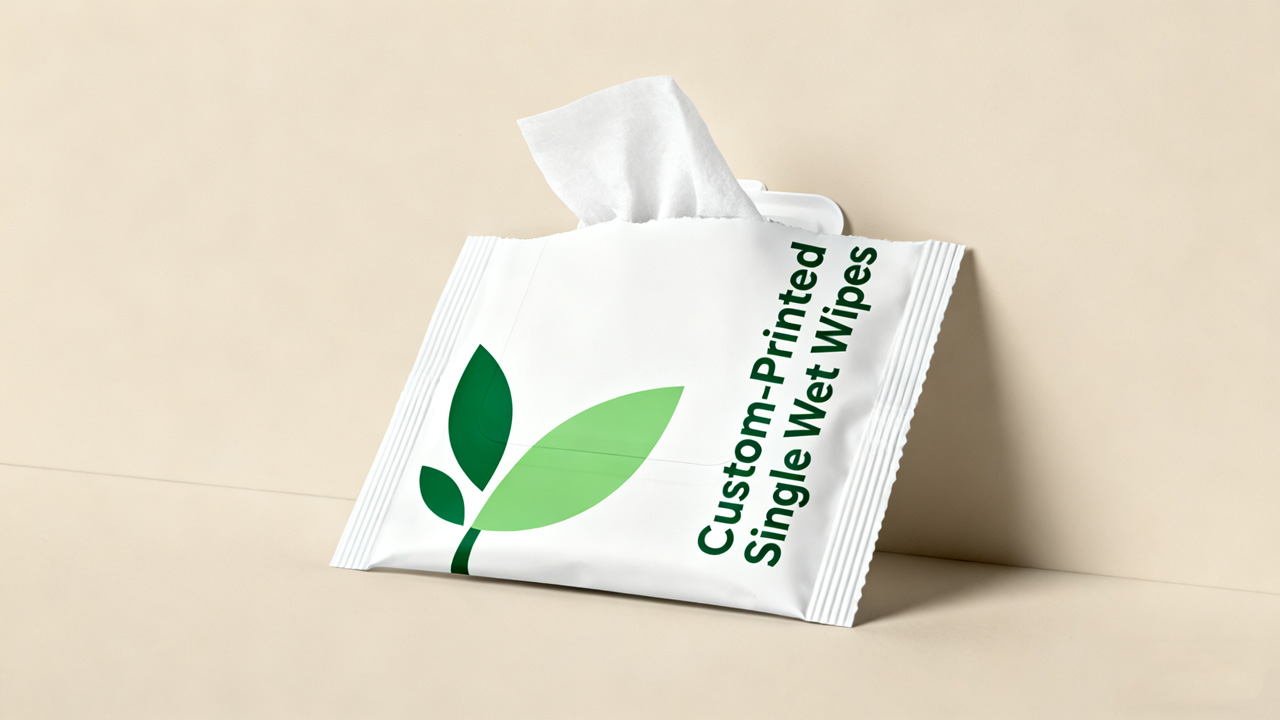
Retailers leverage CMYK or Pantone-printed wipes for promotions, sample giveaways, or premium packaging inserts—each wipe acting as a mini-billboard with 500+ impressions per unit.
Customization Options & Impact
| Method | Best For | MOQ | Cost per Unit | ROI (Brand Exposure) |
|---|
| Logo Stamp | Startups | 1,000 | $0.02 | 200 impressions/wipe |
| Full-Color Print | CPG brands | 10,000 | $0.05 | 500 impressions/wipe |
| QR-Code Linked | Digital campaigns | 5,000 | $0.07 | Trackable engagement |
| Scent + Print | Luxury brands | 50,000 | $0.12 | Multi-sensory branding |
A hotel chain reduced amenity costs by
40% by replacing bottled lotions with custom-packed wipes featuring booking QR codes—increasing direct reservations by
18%.
Are Fragrance-Free Single Wipes More Hygienic Than Scented Variants?
Synthetic fragrances trigger
36% of skin irritations—medical-grade wipes now prioritize hypoallergenic formulations.
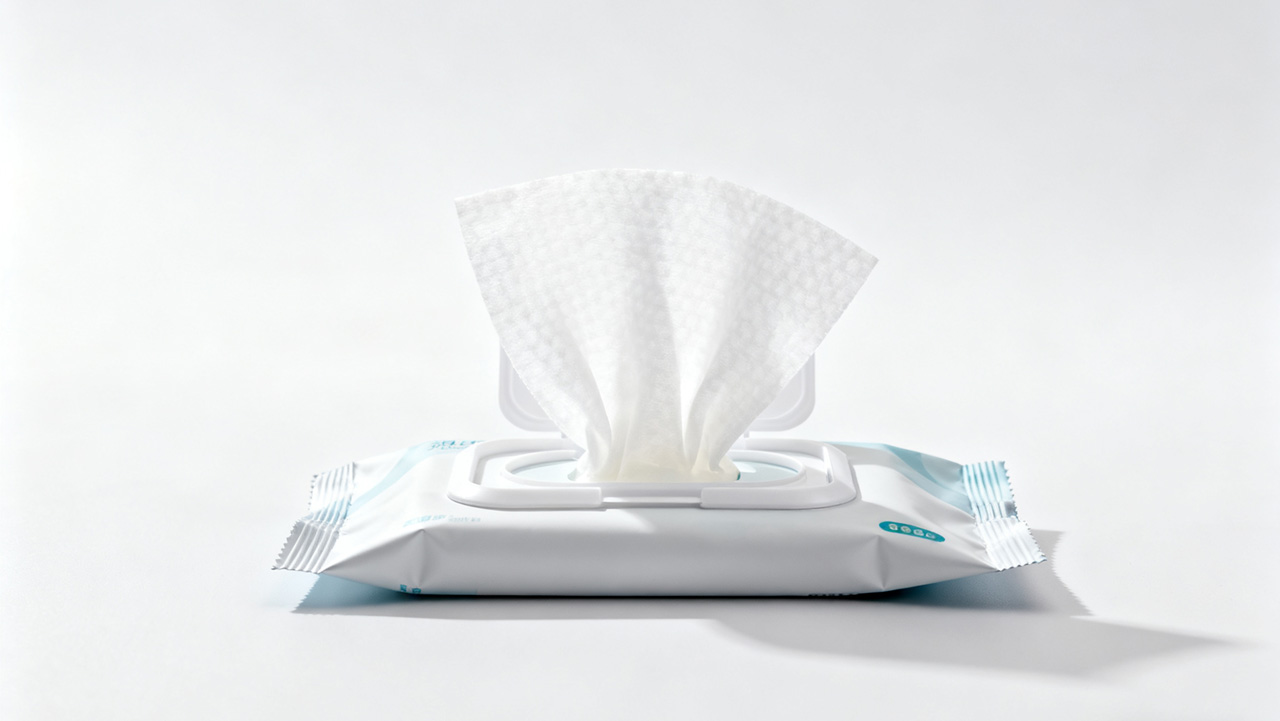
Fragrance-free wipes minimize contamination risks with preservative-free systems (like AOG-24 antimicrobial treatment), making them FDA-preferred for healthcare, baby care, and sensitive skin.
Hygiene Performance Comparison
| Factor | Scented Wipes | Fragrance-Free | Medical-Grade |
|---|
| Preservatives | Parabens (0.2–0.5%) | Phenoxyethanol (≤1%) | None (sterile-packed) |
| Allergen Risk | High (26% reactivity) | Low (<3%) | None |
| Pathogen Kill Rate | 60–80% | 90–95% | 99.99% (ASTM E2315) |
| Best Use Case | Cosmetic refresh | Baby wipes, post-surgery | Hospital disinfecting |
For outdoor/wellness brands,
natural essential oil-infused wipes (e.g., tea tree + eucalyptus) offer a middle ground—providing mild scent with
74% lower irritation rates than artificial perfumes.
Conclusion
Single wet wipes merge convenience with sustainability when opting for
plant-based, customizable, and fragrance-free options—ideal for both personal care and smart branding strategies.
This article was published on November 7, 2025, and last updated on February 27, 2026. The article will be continuously updated.