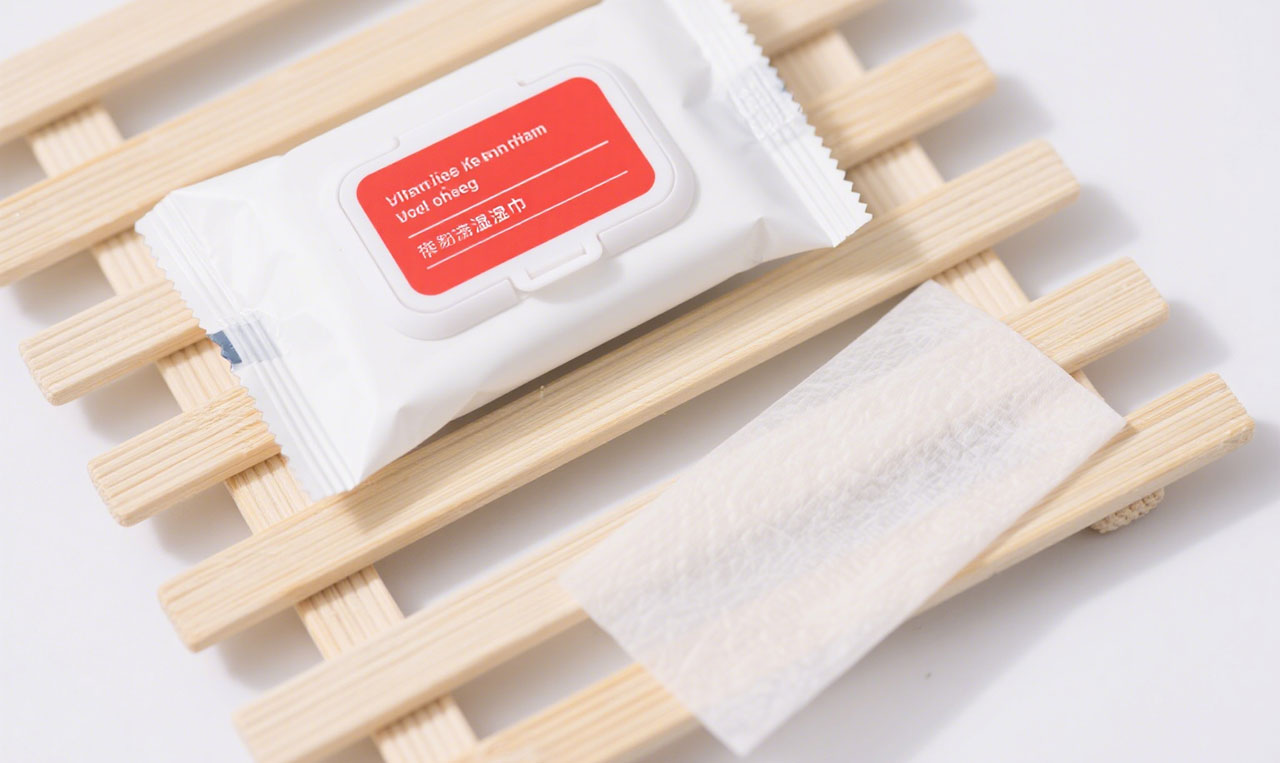


Choosing wrong wipe materials leads to product failures - discover which fibers dominate the $20B global wipes industry.
Modern wipe production primarily uses nonwoven fabrics (82% market share) combining wood pulp (40-60%), polyester/viscose (30-50%), and sometimes bamboo (5-15%) - each offering distinct advantages for different applications.
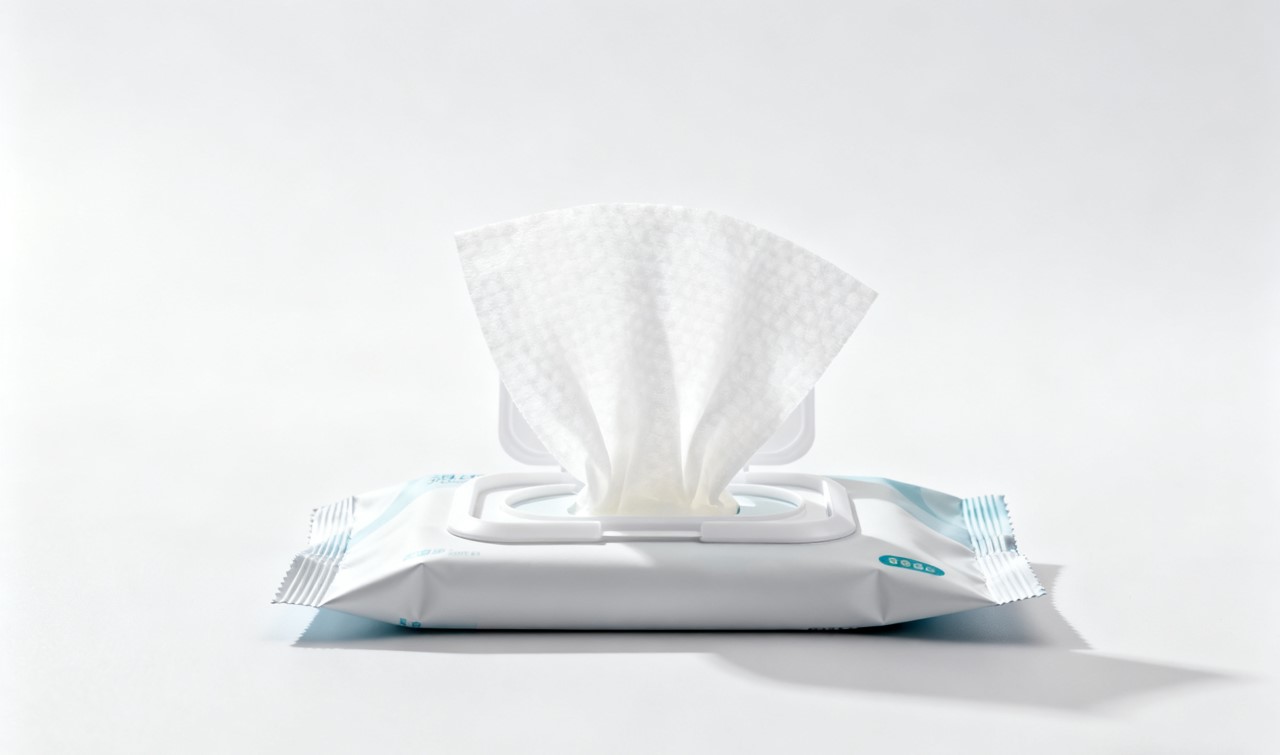 Let's examine why nonwovens have become the undisputed leader in wipe manufacturing.
Why Are Nonwoven Fabrics the Dominant Choice for Wet Wipes Manufacturing?
Nonwovens outperform woven fabrics 8:1 in wipe applications - here's what makes them irreplaceable. Nonwovens dominate due to their engineered fiber orientation (random web structures), superior liquid retention (3-5g/g absorbency), and customizable strength (10-50N/5cm) - impossible with traditional textiles.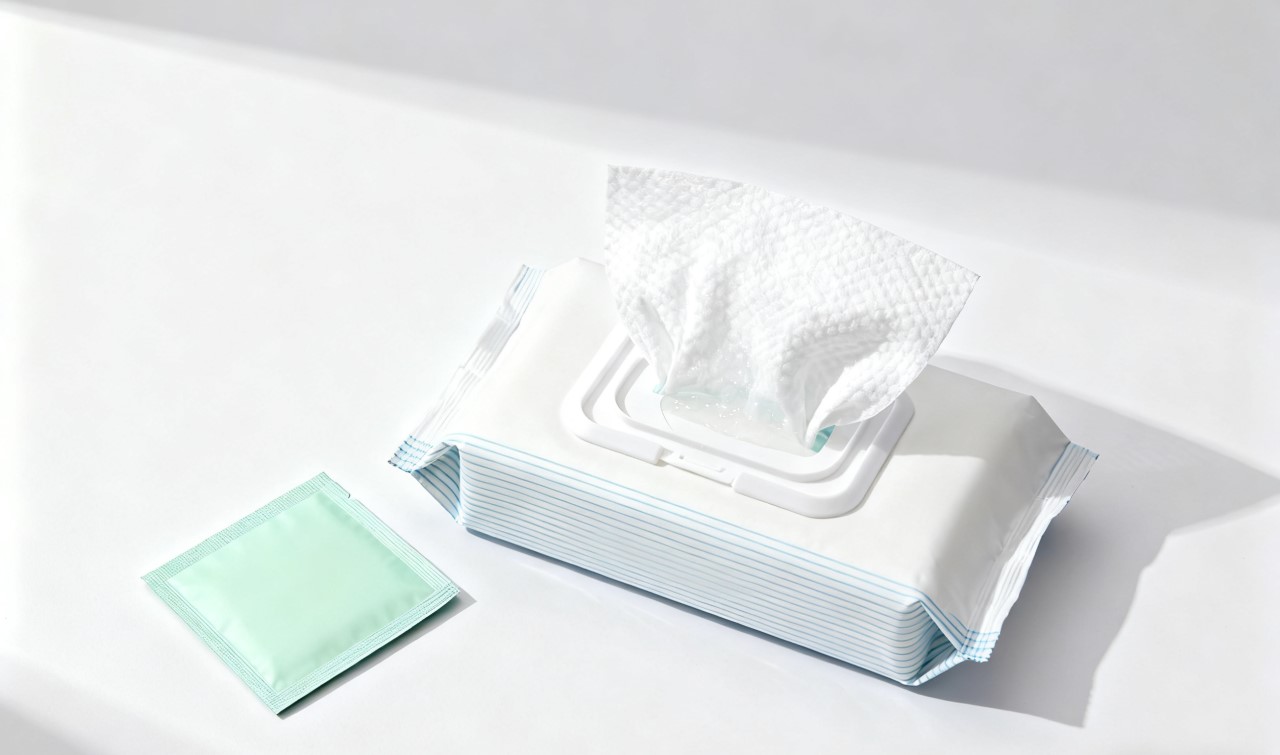
Nonwoven Manufacturing Processes Comparison
Process | Fiber Types | Speed (m/min) | Cost Factor | Key Advantages --------|------------|--------------|------------|--------------- Spunlace | Wood pulp, PET, viscose | 150-400 | $$$ | Softest hand feel Airlaid | Fluff pulp, SAP | 100-250 | $$ | Highest absorbency Meltblown | PP, PLA | 50-150 | $ | Best filtration Needlepunch | Recycled fibers | 30-80 | $$ | Highest durability Wetlaid | Short fibers | 200-500 | $$$$ | Thinnest webs Critical Properties:- Basis weight range: 30-120 gsm
- Fiber diameter: 1-20 denier
- Porosity: 80-95%
- Dimensional stability: <3% shrinkage
- Tensile strength: MD/CD ratio 1.2-1.8
How Do Wood Pulp, Polyester, and Viscose Compare in Wipe Performance?
Material choice impacts every wipe characteristic - this direct comparison reveals optimal selections. Wood pulp delivers superior absorbency (4.8g/g) at lowest cost, while polyester-viscose blends offer better strength (wet tensile 22N) and softness - creating the 70/30 ratio sweet spot for most wipes. !21-3Fiber Performance Matrix
Property | Wood Pulp | Polyester | Viscose | Bamboo --------|----------|----------|--------|------- Absorbency Rate | 2.3 sec | 7.1 sec | 1.8 sec | 2.1 sec Capacity (g/g) | 4.8 | 1.2 | 3.5 | 3.9 Wet Strength | Poor | Excellent | Good | Moderate Softness | Fair | Good | Best | Excellent Cost ($/kg) | 1.10 | 2.85 | 3.20 | 2.40 Sustainability | Biodegradable | Recyclable | Compostable | Renewable Blending Guidelines:- Healthcare wipes: 50% pulp + 50% PET/viscose
- Industrial wipes: 70% PET + 30% pulp
- Premium cosmetic: 30% viscose + 70% bamboo
- Eco-wipes: 100% bamboo/Pulp with PLA binder
Which Raw Materials Offer the Best Balance of Cost and Absorbency?
Smart formulators save 19-28% on material costs without compromising performance - here's how. BCTMP pulp (Bleached Chemi-Thermo Mechanical Pulp) reduces costs 22% versus NBKP while maintaining 85% absorbency, especially when blended with 15-20% low-denier (0.8d) polyester for wet strength. !21-4Cost-Performance Optimization Strategies
Solution | Cost Impact | Performance Impact | Best Applications ---------|------------|-------------------|------------------ Layer Construction | -15-20% | +12% absorbency | Multi-purpose wipes TiO2 Replacement | -8% | Slight opacity | Industrial wipes Microchannel Fibers | +25% | +40% wicking | Medical wipes Recycled PET | -18% | -10% strength | General cleaning Nanofibrillated Pulp | +30% | +50% wet strength | Premium cosmetics Emerging Solutions:- Cross-linked cellulose fibers (+35% liquid retention)
- Plasma-treated surfaces (better surfactant release)
- Bi-component fibers (PP/PET sheath-core)
- Enzyme-treated pulps (softer hand feel)
- Graphene-coated fibers (antibacterial properties)
Conclusion
The optimal wipe material combines cost-effective BCTMP pulp with reinforcing synthetic fibers (15-30% PET/viscose) using spunlace bonding - delivering 85-90% of premium performance at 60-70% of the cost.This article was published on October 3, 2025, and last updated on February 27, 2026. The article will be continuously updated.