Leading paragraph:
Shipping disposable wipes internationally can be tricky. The wrong packaging leads to damaged goods, high costs, and unhappy customers.
Snippet paragraph:
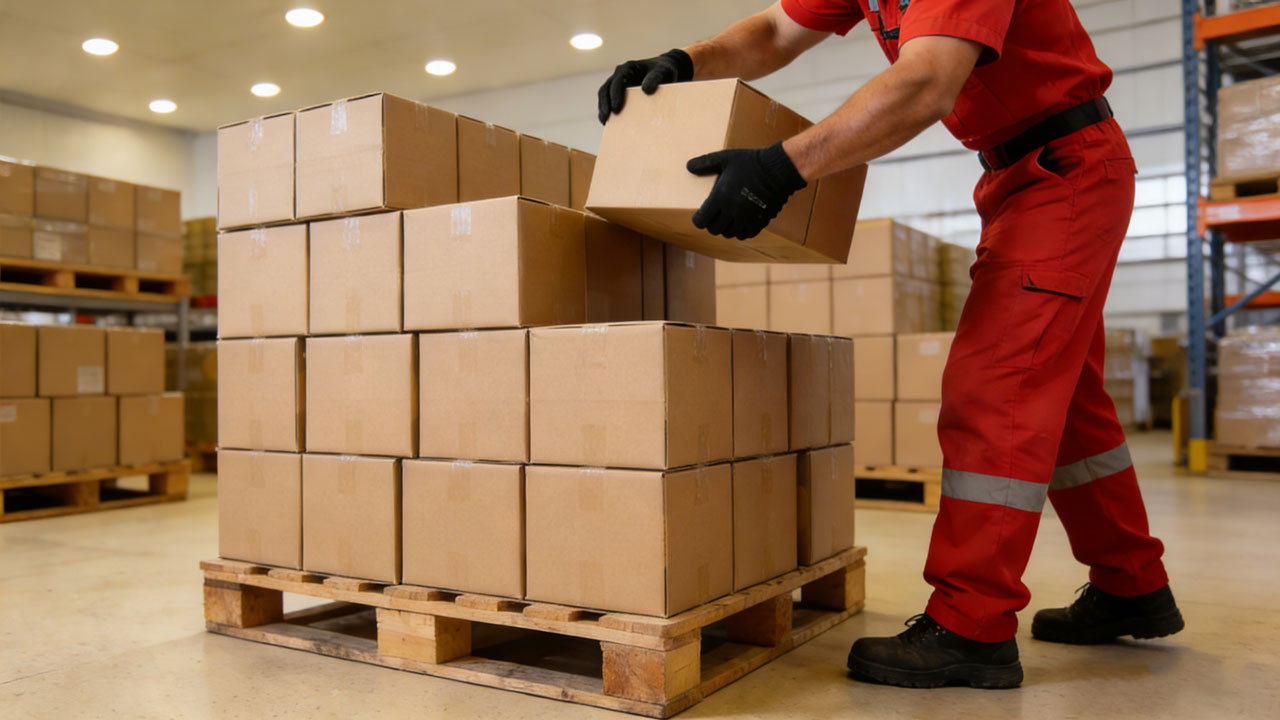
Logistics-friendly disposable wipes use standardized packaging designed for global shipping. They are compact, lightweight, and durable to reduce costs and prevent damage. The packaging meets international regulations and fits efficiently on pallets.
 Transition Paragraph:
Before you pack your next shipment, consider these key factors. They will help you avoid common mistakes and save money.
Transition Paragraph:
Before you pack your next shipment, consider these key factors. They will help you avoid common mistakes and save money.
Why Standardize Packaging for Disposable Wipes?
Leading paragraph:
Non-standard packaging causes delays and extra fees. Customers receive crushed or unusable wipes.
Snippet paragraph:
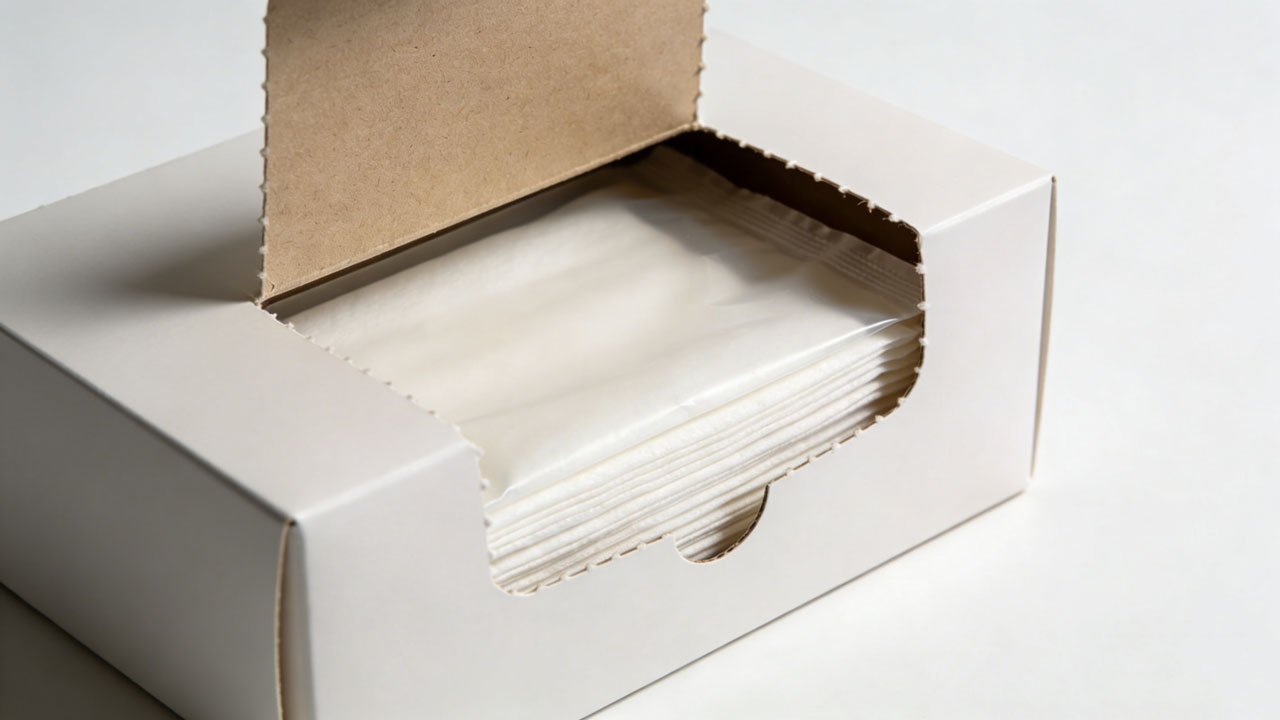
Standardized packaging ensures wipes arrive intact while lowering shipping costs. It simplifies logistics by fitting container dimensions perfectly. This consistency speeds up loading and reduces handling errors.
Dive deeper Paragraph:
Standardization impacts every part of the supply chain. Below are the key benefits broken down:
Cost Savings
| Factor | Non-Standard | Standardized |
|---|
| Shipping Volume | Wasted space | Optimized |
| Weight | Often heavier | Light design |
| Handling | Slow loading | Fast processing |
Product Protection
- Material Strength: Standard boxes pass drop tests
- Moisture Control: Sealed liners prevent drying
- Temperature: Insulated options available
Compliance Advantages
- Pre-approved for most carriers
- Clear customs faster
- Meet sustainability rules
I once sent samples in random boxes. Half were damaged. After switching to ISO-size containers, complaints dropped by 80%.
What Makes Packaging Truly Logistics-Friendly?
Leading paragraph:
Not all "shipping-friendly" packaging works equally well. Some still fail basic requirements.
Snippet paragraph:
True logistics-friendly packaging combines durability with efficiency. It uses materials that protect but don't add bulk. The design allows stacking without crushing.

Dive deeper Paragraph:
Here's what separates good packaging from great:
Critical Features Table
| Feature | Importance | Example |
|---|
| Corner Protectors | Prevents crush damage | Molded pulp edges |
| Uniform Weight | Balances pallets | Pre-measured fill |
| Smooth Surfaces | Avoids snagging | Poly-coated exterior |
Common Pitfalls
- Overpacking: Too much filler increases weight
- Poor Seals: Leads to moisture loss
- Sharp Edges: Causes tears in transit
A client reduced damages by using rounded containers. Simple changes make big differences.
How Does Standardization Help With International Regulations?
Leading paragraph:
Each country has different rules. Non-compliant shipments get stuck or destroyed.
Snippet paragraph:
Standardized packaging includes pre-approved labeling and materials. It meets strictest global requirements upfront. This prevents delays at borders.
Dive deeper Paragraph:
Regulatory compliance involves multiple layers:
Documentation Requirements
- Product Codes: HS classification marked clearly
- Ingredient Lists: Multilingual when needed
- Safety Data: Always accessible
Material Restrictions
- EU: No certain plastics
- USA: FDA-compliant liners
- Asia: Often requires freshness dates
Testing Protocols
| Test | Purpose | Standard |
|---|
| Vibration | Simulates transport | ISTA 3A |
| Compression | Checks stacking | ASTM D642 |
| Leak | Verifies seals | ISO 8317 |
Conclusion
Standardized packaging solves international shipping challenges. It protects products, cuts costs, and ensures compliance.
This article was published on January 5, 2026, and last updated on February 27, 2026. The article will be continuously updated.