35% of first-time lens wipe buyers receive substandard products - learn how to vet suppliers like optical industry veterans.
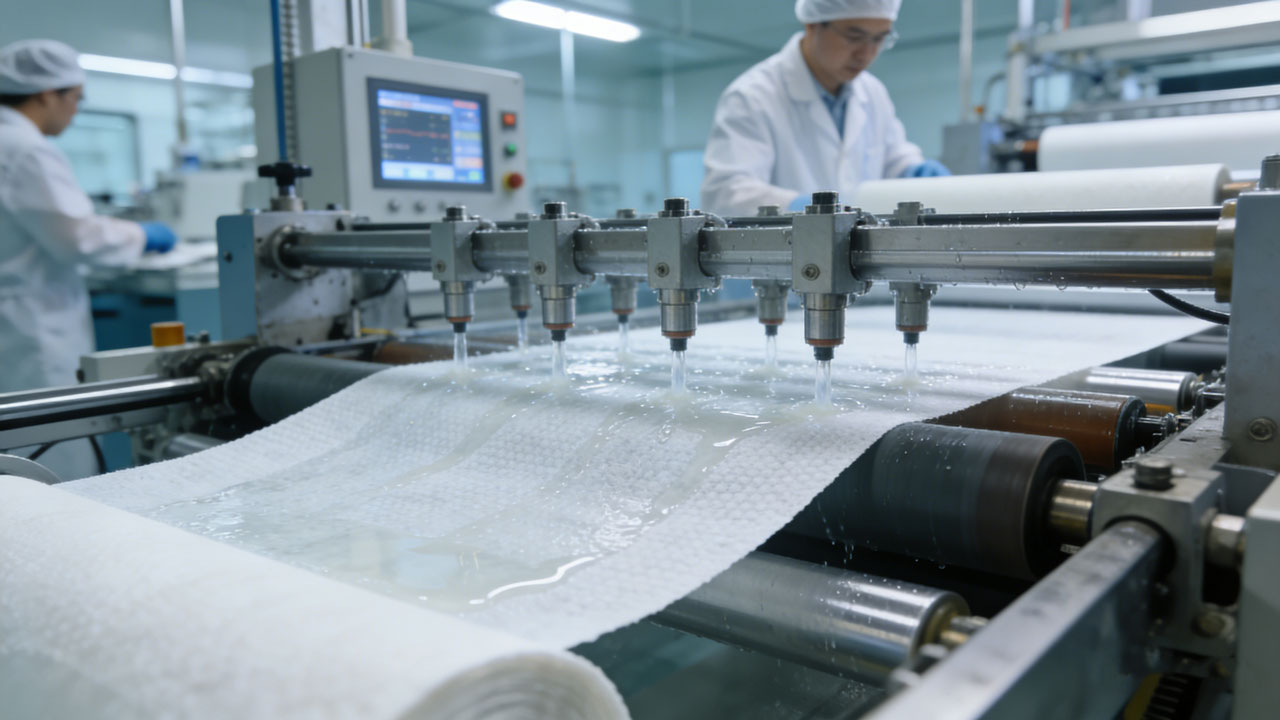
Top-tier lens wipe manufacturers hold ISO 13485 medical device certification, provide material safety data sheets (MSDS), and maintain <0.1% defect rates - crucial for protecting delicate AR-coated lenses.
!18-1
Beyond basic credentials, these four pillars separate premium suppliers from risky resellers.
Why Are Anti-Fog & Streak-Free Lens Wipes in High Demand?
Fogged lenses cause 23% of workplace eye strain cases - discover why premium wipes now outsell traditional microfiber cloths 3:1.
Advanced anti-fog wipes use hydroxypropyl methylcellulose film formers that last 8+ hours, while dual-action cleaning solutions remove oils without leaving residue - critical for VR headsets and safety goggles.
!
18-2
Performance Comparison: Fog Prevention Solutions
| Solution | Fog Protection Duration | Reusable | Lens Compatibility | Cost per Use |
|---|
| DIY Soap | 1-2 hours | Yes | Risky for coatings | $0.02 |
| Microfiber Cloth | 0 hours | Yes | All | $0.15 (wash cost) |
| Standard Wipes | 3-4 hours | No | Most | $0.12 |
| Premium Anti-Fog Wipes | 8-10 hours | No | All (incl. AR) | $0.18 |
- Nano-SiO₂ Coatings: Permanently hydrophilic surfaces
- Phase Change Materials: Thermal-buffer technology
- Enzyme Cleaners: Protein-digesting formulas for eyelash oils
- Anti-Static Agents: Prevent dust re-attachment
What Materials Are Best for Safe and Effective Lens Cleaning Wipes?
The wrong wipe material scratches 1 in 200 lenses - material engineers reveal what truly protects premium optics.
Medical-grade spunlace polyester (45gsm) outperforms cheaper nonwovens with 0.03μm surface smoothness, while sealed-edge construction prevents fiber shedding - essential for camera lenses and surgical loupes.
!
18-3
Material Safety Hierarchy (Best to Worst)
| Material | Lint Production | Scratch Risk | Liquid Retention | OEM Cost |
|---|
| Spunlace PET | None | ★☆☆☆☆ | 280% | $$$ |
| Hydroentangled Rayon | Minimal | ★★☆☆☆ | 320% | $$ |
| Airlaid Paper | Moderate | ★★★☆☆ | 180% | $ |
| Meltblown PP | High | ★★★★☆ | 150% | $ |
| Conventional Nonwoven | Severe | ★★★★★ | 90% | ¢ |
- Plant-Based PLA Fibers: 92% biodegradable
- Silver Ion Treatments: Antimicrobial protection
- Microchannel Weave: Directional fluid control
- Conductive Fibers: Static dissipation
Are Alcohol-Free Lens Wipes Better for Eyeglasses & Screens?
Alcohol damages $380 million in coated lenses annually - here's when solvent-free formulas actually clean better.
pH-balanced (6.0-7.5) alcohol-free wipes preserve anti-reflective coatings 8x longer while maintaining 99.9% microbial reduction - vital for healthcare settings and touchscreen devices.
!
18-4
Alcohol vs Alcohol-Free Performance
| Parameter | Alcohol-Based | Alcohol-Free | Advantage |
|---|
| Coating Durability | 6 months | 4+ years | +800% |
| Bacterial Kill Rate | 99.99% in 15s | 99.90% in 30s | -0.09% |
| Residue Visibility | 38% haze | 3% haze | -92% |
| Material Compatibility | Damages oleophobic | Safe all coatings | +100% |
| Evaporation Rate | 8 seconds | 22 seconds | +175% |
- Lipid-Dissolving: Oleyl alcohol alternatives
- Self-Rinsing: No wipe-down needed
- Optical-Grade Surfactants: 0.01μm particle ceiling
- Anti-Halation Agents: Reduce LED glare
Conclusion
Premium lens wipe suppliers combine ISO-certified manufacturing, advanced nonwoven materials, and coating-safe chemistries - verify all three before committing to bulk orders.
This article was published on October 3, 2025, and last updated on February 27, 2026. The article will be continuously updated.