Discover the surprisingly complex production process that turns simple fibers into high-performance wipes used billions of times daily.
Modern wipe manufacturing combines nonwoven fabric formation (spunlace/airlaid), precision chemical impregnation (±2% solution accuracy), and automated packaging (up to 600 wipes/minute) - requiring 15+ quality checkpoints to ensure consistency.
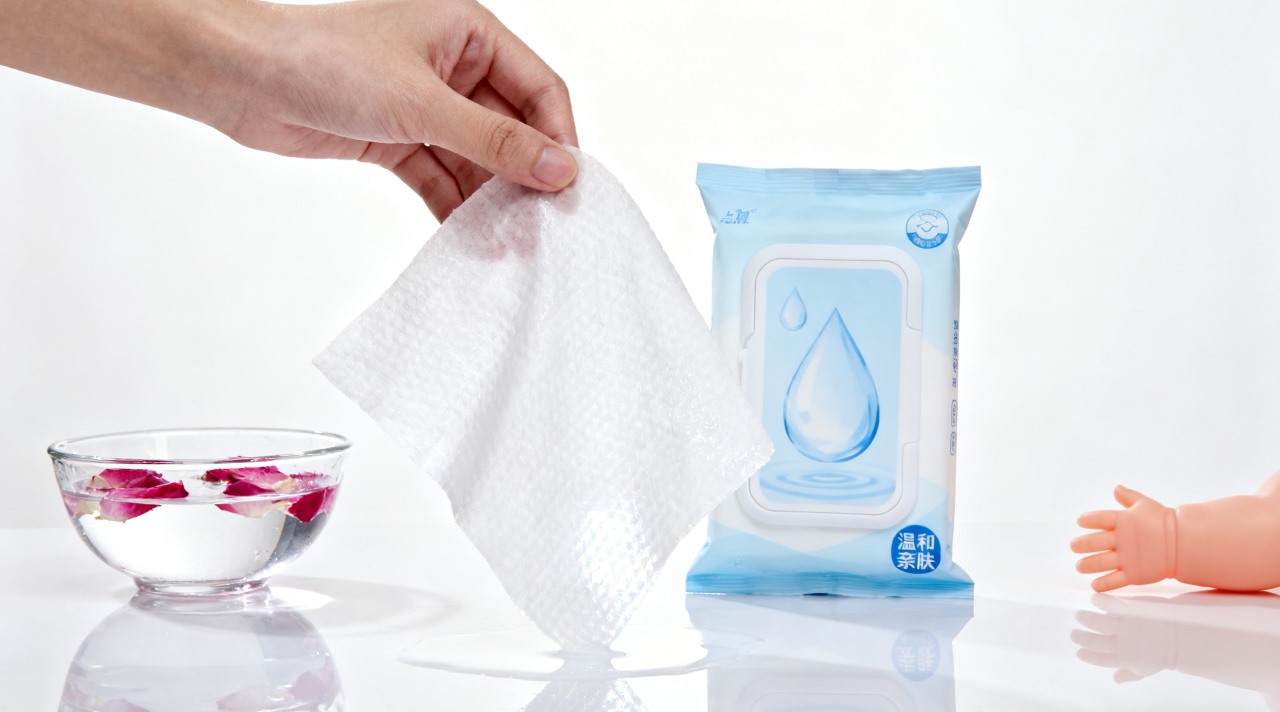 Let's break down each critical production stage that transforms raw materials into finished wipes.
What Materials Are Used in Wipe Manufacturing?
Your wipe's performance depends on this carefully engineered material combination - most users never realize what's inside.
Premium wipes combine:
- Substrate (70% wood pulp/30% polyester)
- Solution (88% purified water, 8% surfactants, 4% preservatives)
- Packaging (7-layer co-extruded film with 0.002" thickness tolerance)
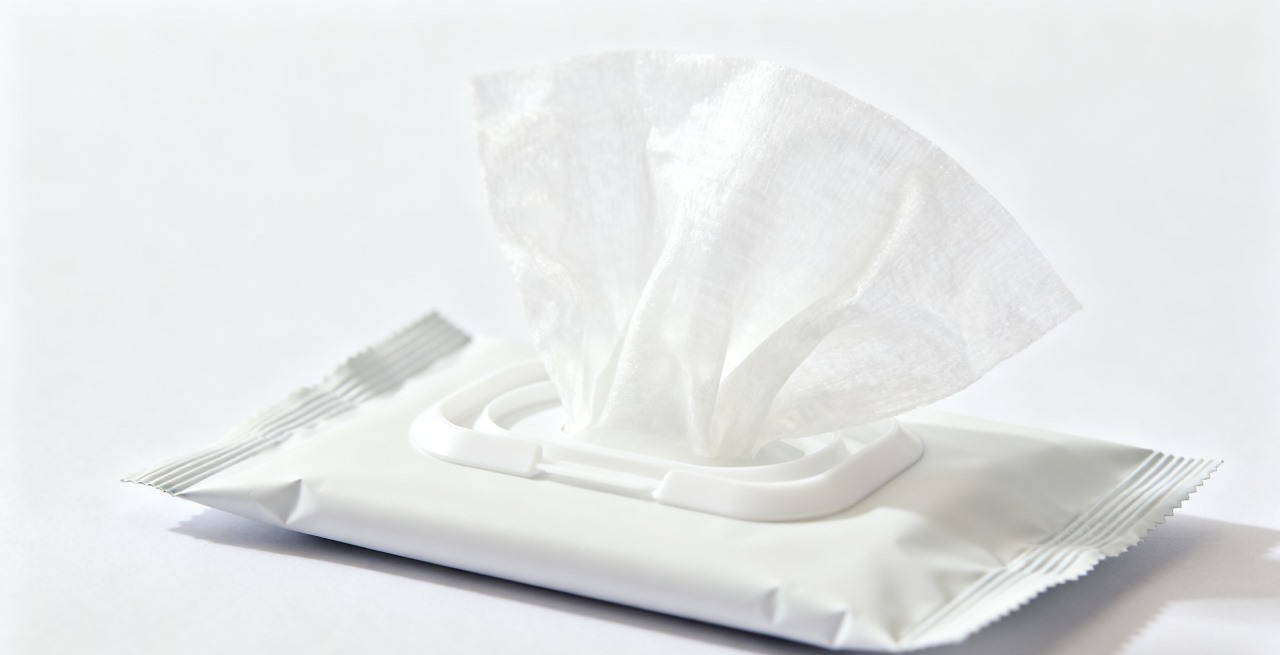
Material Composition Breakdown
| Component | Purpose | Common Variants | Technical Specifications |
|---|
| Base Material | Liquid absorption | Spunlace (65%), Airlaid (25%) | Basis weight 45-80 gsm |
| Fibers | Structure | Virgin pulp (40%), PET (30%), Viscose (20%) | Fiber length 2-12mm |
| Binding | Integrity | Hydroentanglement (55%), Latex (30%) | Bond strength ≥15N/5cm |
| Solution | Cleaning | Water (85-95%), Actives (3-12%) | pH 4.5-7.5 range |
| Additives | Stability | Chelators (0.3%), Preservatives (0.8%) | Paraben-free options |
| Packaging | Protection | PE/PP films (90%), Aluminium foil (5%) | WVTR <0.5g/m²/day |
Leading manufacturers use fiber blending ratios optimized for specific markets:
- 60/40 pulp/PET for baby wipes (softness)
- 70/30 PET/pulp for industrial wipes (durability)
- 100% bamboo for eco-wipes (sustainability)
Why Are Biodegradable Wipes Gaining Popularity?
The biodegradable wipe market will grow 14.7% yearly - here's what's driving this seismic shift in consumer preferences.
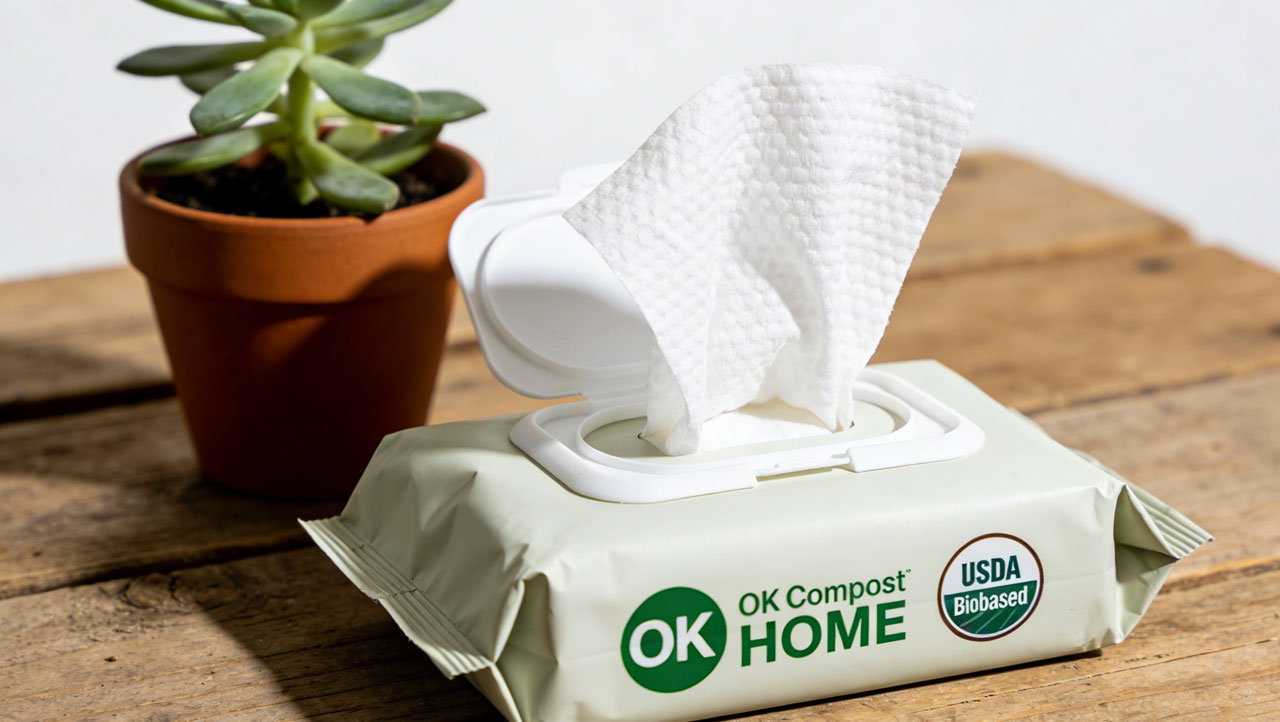
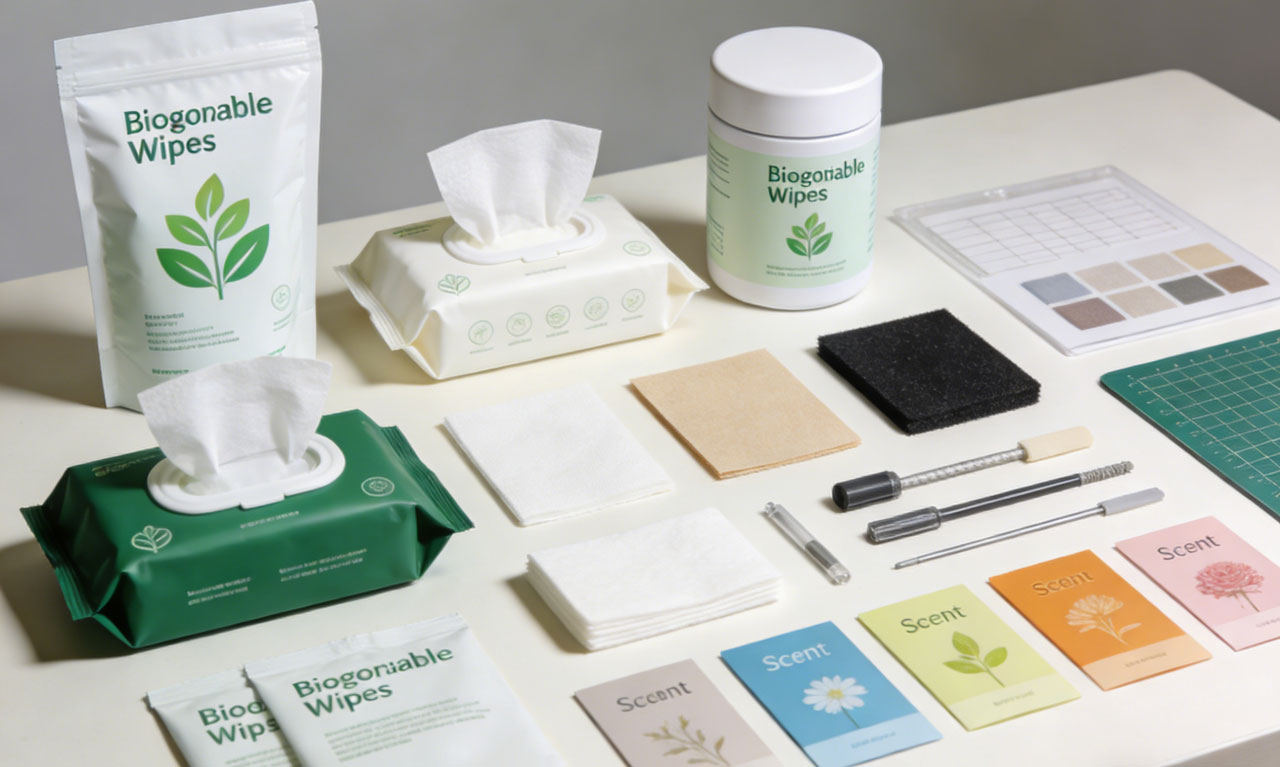
Ecological wipes now use compostable PLA fibers (12-month decomposition vs 100+ years for synthetics) and plant-based preservatives - meeting strict EU EN13432/US ASTM D6400 standards while maintaining 90% of conventional wipe performance.
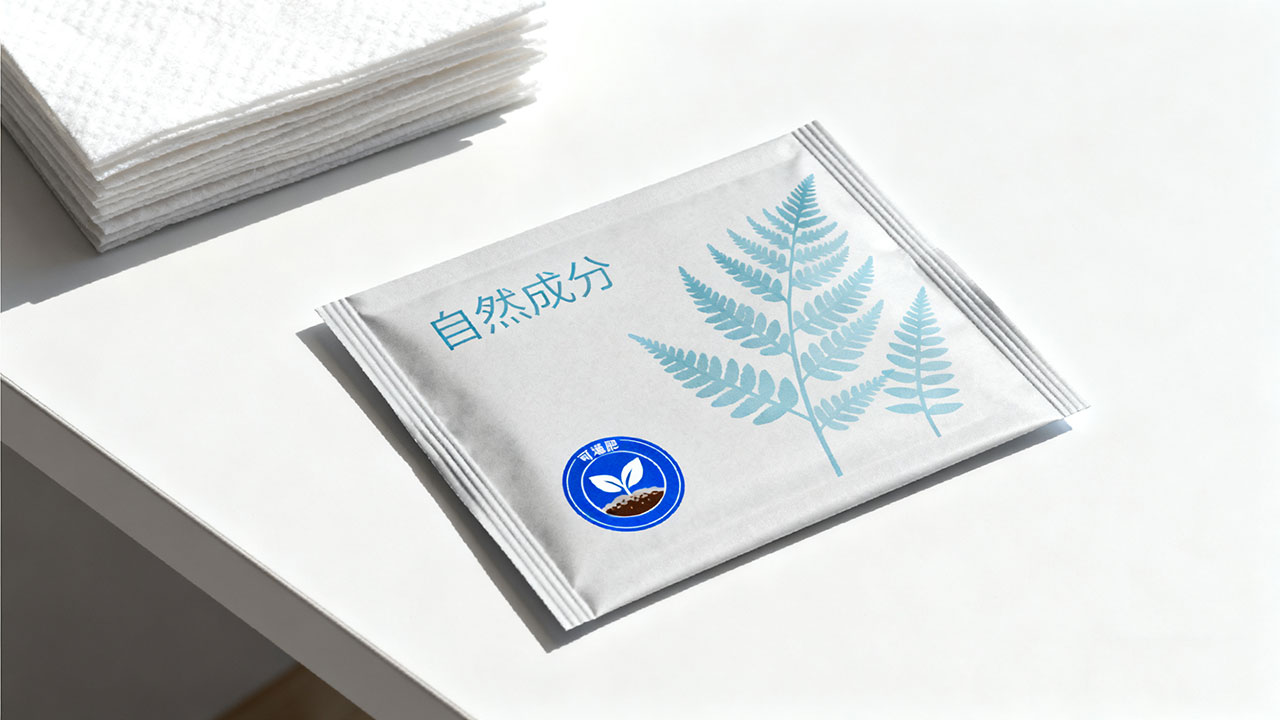
Biodegradable vs Conventional Wipes
| Parameter | Traditional Wipes | Advanced Biodegradable | Improvement |
|---|
| Base Material | PP/PET blends | PLA/Pulp composites | 83% fossil fuel reduction |
| Binding Method | Latex/SAP | Chitosan/Alginate | Marine-safe dissolution |
| Decomposition | 100+ years | 6-18 months | 99% faster breakdown |
| Carbon Footprint | 2.8kg CO2/kg | 0.9kg CO2/kg | 68% reduction |
| Cost Premium | Baseline | +25-40% | Decreasing yearly |
Key Innovations:
- Nanocellulose reinforced PLA (strength +50%)
- Enzymatic disintegration triggers
- Agricultural waste fibers (wheat straw, banana)
- Water-activated dry wipes (preservative-free)
How Do Different Countries Regulate Wipe Production Standards?
Navigating global wipe regulations requires understanding these 7 critical compliance frameworks - non-compliance costs companies $2M+ annually in penalties.
Major standards include:
- EU: EN 1186 (migration testing)
- US: FDA 21CFR 880.6060 (medical wipes)
- China: GB 15979 (sanitary standards)
- Japan: JIS L 0803 (colorfastness)
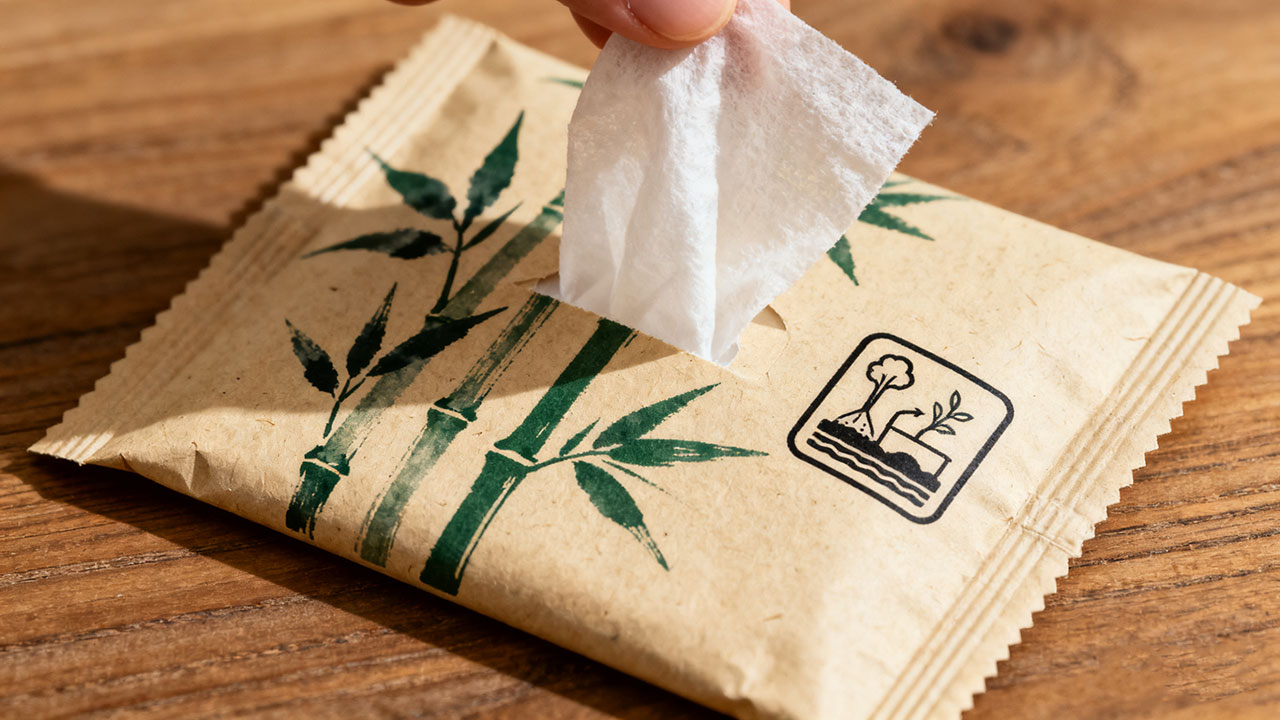
Global Wipe Regulation Comparison
| Country | Key Regulation | Testing Requirements | Unique Provisions |
|---|
| USA | FDA 21 CFR 880 | Cytotoxicity, USP 51 | 3-year stability data |
| EU | EN 149 | Skin irritation, DIN 54345 | Required biodegradability |
| China | GB/T 28004 | Heavy metals (<100ppm) | Mandatory factory audits |
| Japan | JIS Z 2801 | Antimicrobial efficacy | 5x stricter preservative limits |
| Australia | AS/NZS 4146 | Linting, extractables | TGA approval for medical |
Compliance Strategies:
- Maintain 3 versions of MSDS (CLP, ANSI, GHS)
- Pre-test with notified bodies (SGS, TÜV)
- Document substance tracking (SCIP database)
- Conduct accelerated aging (40°C/75% RH)
Emerging Trend: Circular economy regulations now require:
- Minimum 30% recycled content (UK Plastics Tax)
- Digital product passports (EU 2027)
- Waste collection schemes (France REP)
Conclusion
Modern wipe manufacturing blends advanced nonwoven technologies with eco-conscious materials, requiring precise compliance with diverse global standards - successful producers master this triad of performance, sustainability and regulation.
This article was published on October 10, 2025, and last updated on February 27, 2026. The article will be continuously updated.