

The world is changing. Businesses now face pressure to go green. Traditional wipes harm our planet. What if there was a better way?
Green disposable wipes offer a solution. Made from bamboo, cotton or wood pulp, they break down naturally without leaving microplastics. Unlike regular wipes that take 100+ years to decompose, these biodegradable options disappear in months. For businesses wanting to reduce their environmental impact, they provide a practical alternative.
 Many companies struggle with finding truly eco-friendly products. Green wipes solve this problem while keeping cleaning effective. I remember switching our office supplies and seeing the difference it made. The transition was easier than expected.
What Exactly Are Green Disposable Wipes?
You've heard the term "green wipes" but what does it really mean? Are they just regular wipes with better marketing? Green disposable wipes are cleaning products made from plant-based materials that decompose naturally. They contain no plastic fibers or harmful chemicals. Common materials include bamboo, cotton and wood pulp. These break down completely in composting conditions, unlike traditional wipes that contain polyester or polypropylene.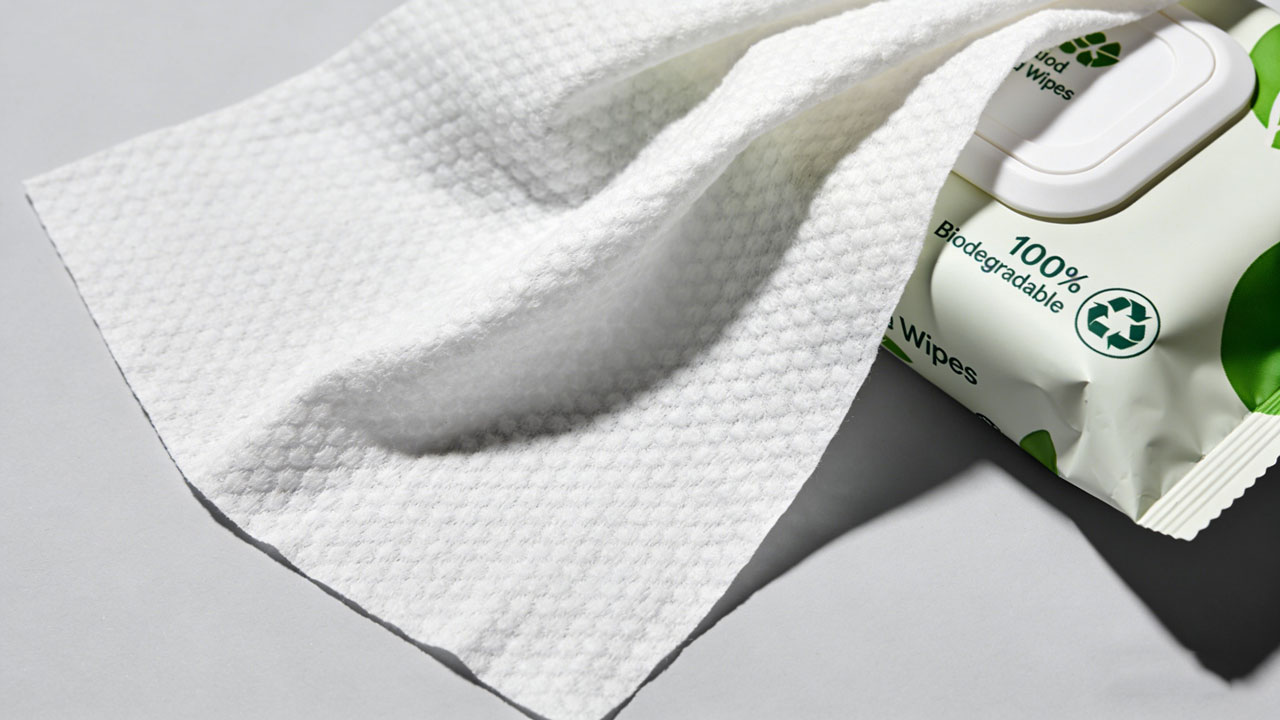 The science behind these wipes is fascinating. Let me explain how they work and why they're better:
Material Composition Breakdown
| Material | Decomposition Time | Plastic Content | Best For |
|---|---|---|---|
| Bamboo | 3-6 months | None | Heavy duty cleaning |
| Cotton | 2-4 months | None | Sensitive surfaces |
| Wood pulp | 4-8 months | None | General purpose |
| Traditional (Polyester) | 100+ years | 100% | None - avoid |
Which Brands Offer Truly Biodegradable Wipes for Businesses?
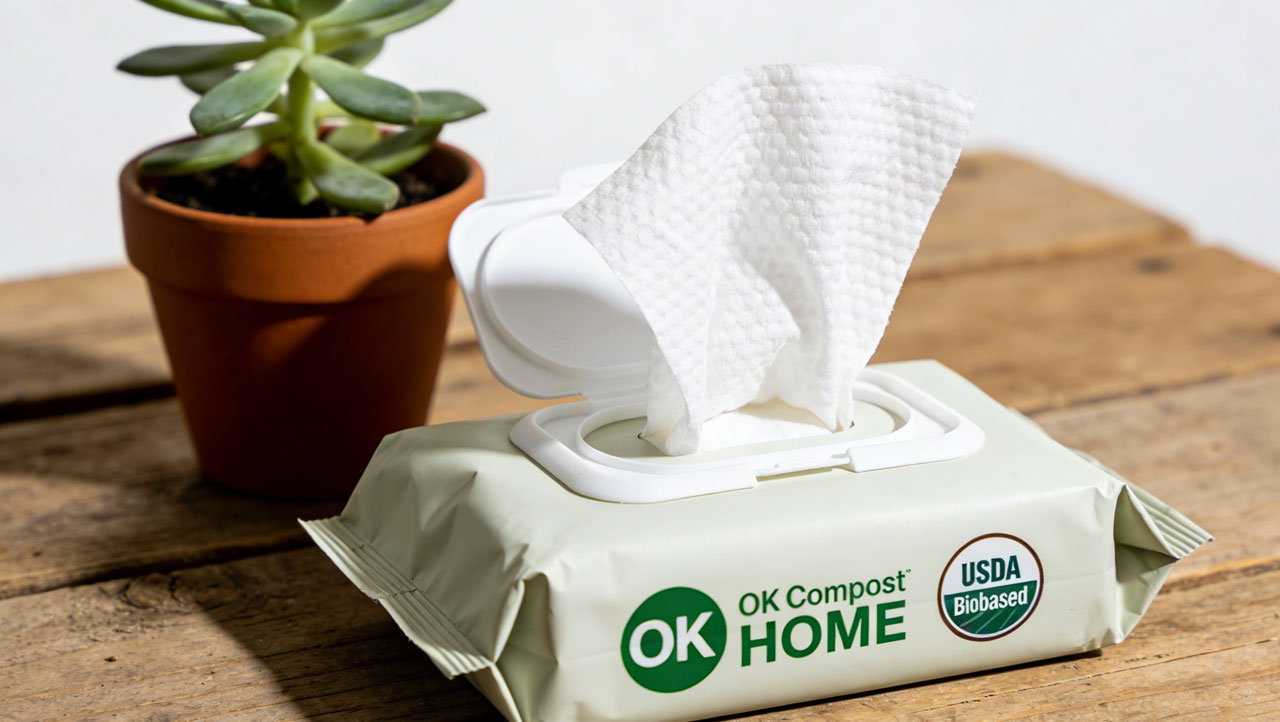
With so many "eco" claims, how do you find trustworthy suppliers? Are all brands equally sustainable? Top certified brands include EcoVibe (plant-based), Caboo (bamboo), and Natracare (organic cotton). These companies undergo strict testing for biodegradability. They provide business-sized quantities while meeting environmental standards. Always check for BPI or OK Compost certification on packaging.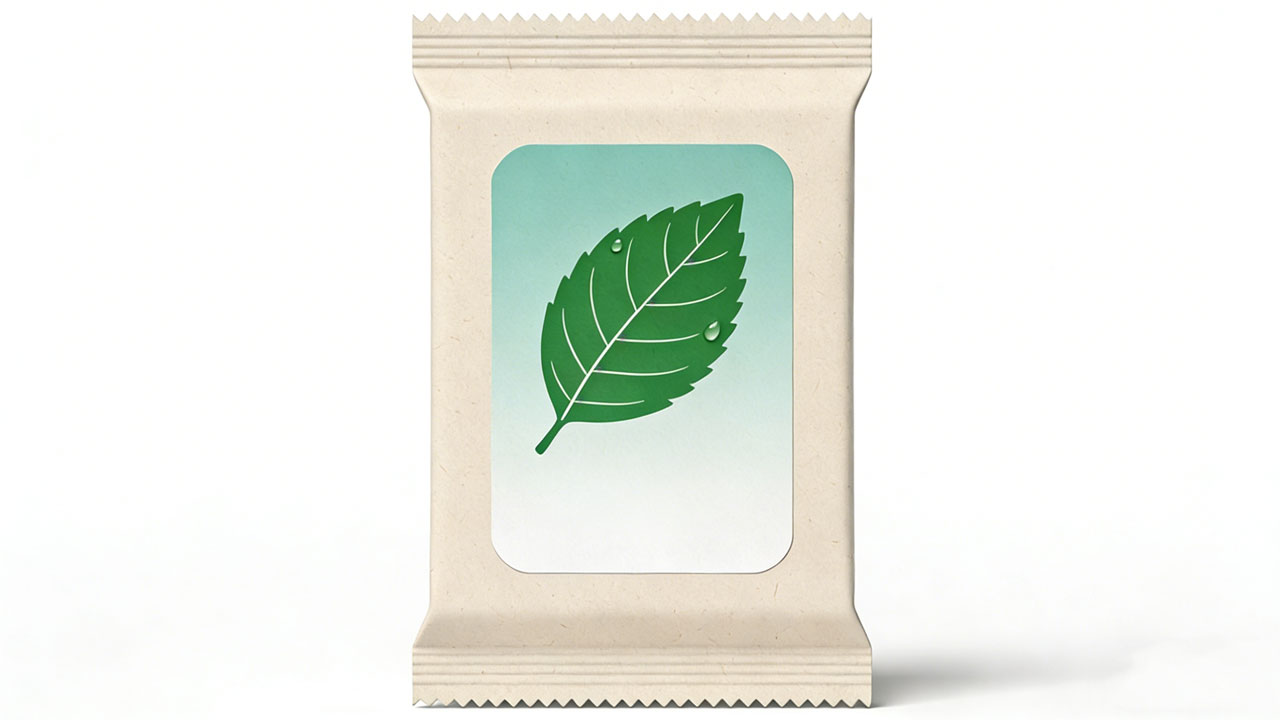 During my search, I discovered three key factors that set quality brands apart:
- 1. Transparent sourcing: The best brands share where materials come from. EcoVibe publishes farm locations.
- 2. Third-party testing: Caboo's wipes undergo independent lab tests for compostability.
- 3. Business programs: Natracare offers bulk discounts and recycling initiatives for companies.
What Certifications Should You Look For?
Not all "green" claims are equal. How can businesses spot genuine biodegradable products? Legitimate certifications include TÜV Austria's OK Compost (EN13432) for industrial composting and BPI certification in North America. The FSC mark ensures sustainable forestry. ECOCERT guarantees organic ingredients. These logos prove a product meets strict biodegradability standards.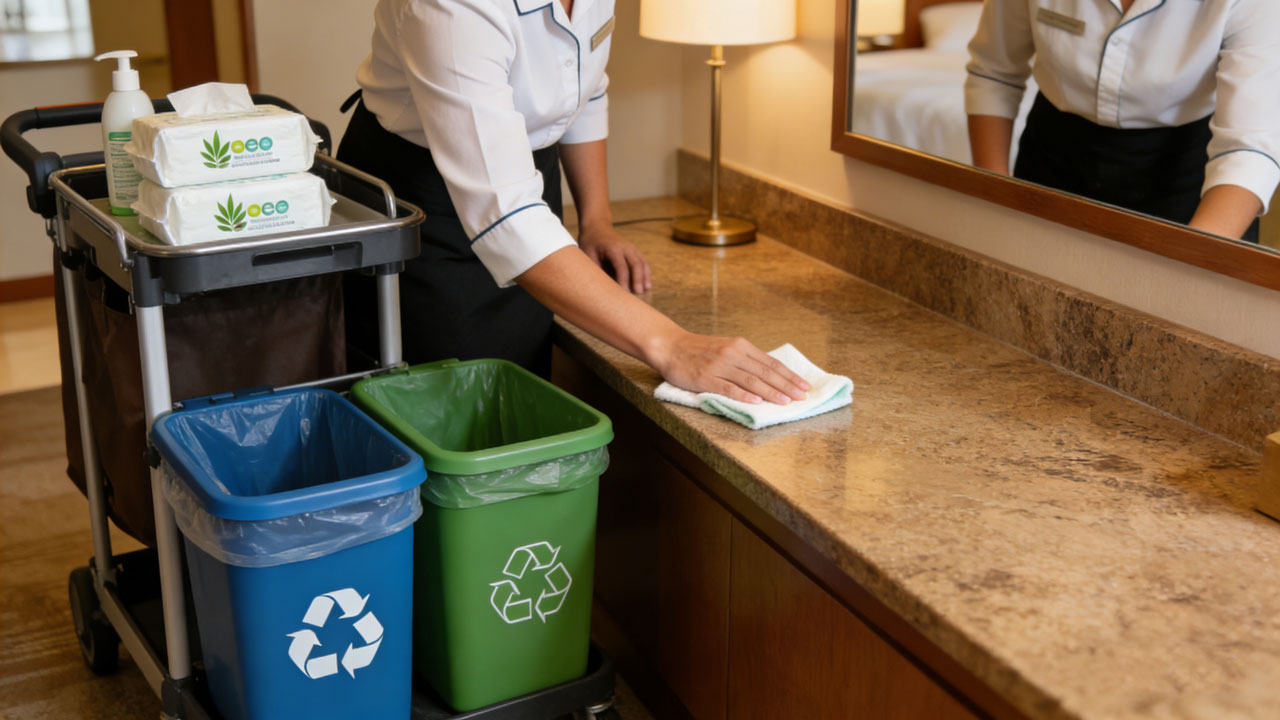 Understanding these symbols takes some learning:
| Certification | What It Means | Testing Required |
|---|---|---|
| OK Compost | Breaks down completely in commercial facilities | 12-week decomposition test |
| BPI | Meets ASTM D6400 standards | Chemical analysis + disintegration |
| FSC | Materials from responsibly managed forests | Supply chain audits |
| ECOCERT | 95%+ natural ingredients | Ingredient verification |
This article was published on December 19, 2025, and last updated on February 27, 2026. The article will be continuously updated.