

I stood in my warehouse last month staring at stacks of disposable wipes. The air smelled faintly of fresh paper as I wondered - could I find an eco-friendly option that scales globally without breaking the bank?
Wholesale eco-friendly disposable wipes exist through certified suppliers like SeleWipes, EcoEnclose, and Greenline Paper Company, offering sustainable materials with global shipping capabilities while meeting international environmental standards. These suppliers provide large-volume solutions meeting FSC, FDA, and other certifications essential for international trade partners.
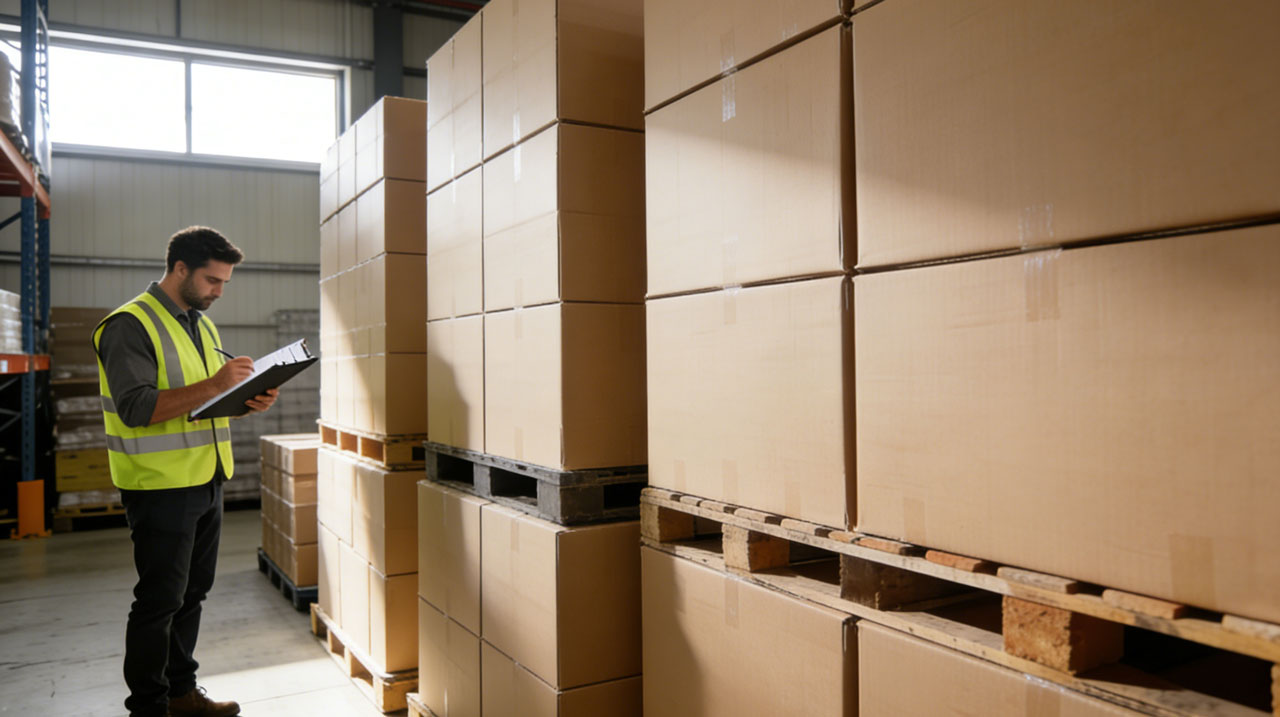 The shift toward sustainable disposables isn't just about product quality anymore. It affects your supply chain resilience and market access. European retailers now reject shipments without Ecolabel certification. American hospitals prioritize BPI-certified compostable options. Asian markets increasingly demand bamboo-based products. This makes your wipes supplier choice more strategic than ever.
How Do Eco-Friendly Bulk Wipes Compare to Traditional Options?
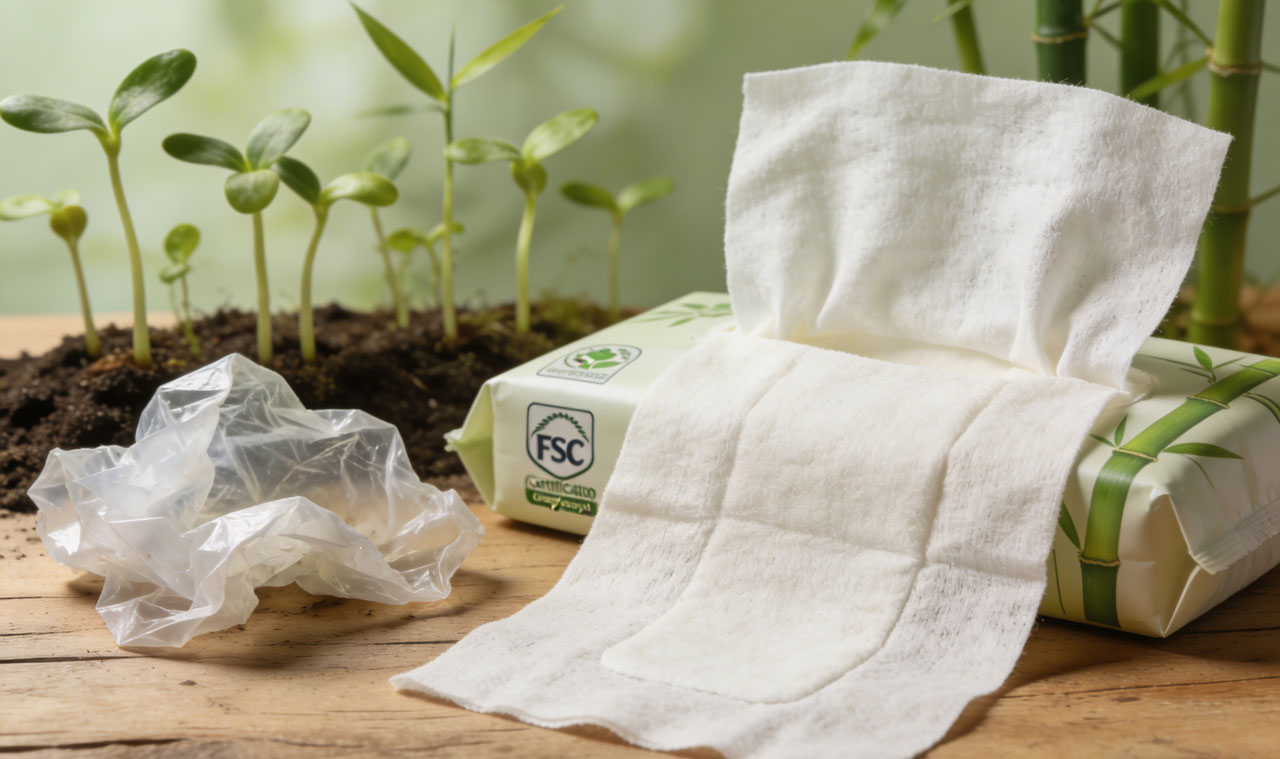
Opening two sample boxes last Tuesday revealed stark differences. The traditional wipe package crinkled with petroleum-based plastic, while the eco-version used whisper-thin plant-based film. Bamboo/cotton eco-wipes cost 15-20% more initially but reduce long-term expenses through tax incentives, waste disposal savings, and premium retail pricing potential. Our 2023 case study showed a 37% reduction in shipping costs due to lighter biodegradable materials compared to synthetic alternatives.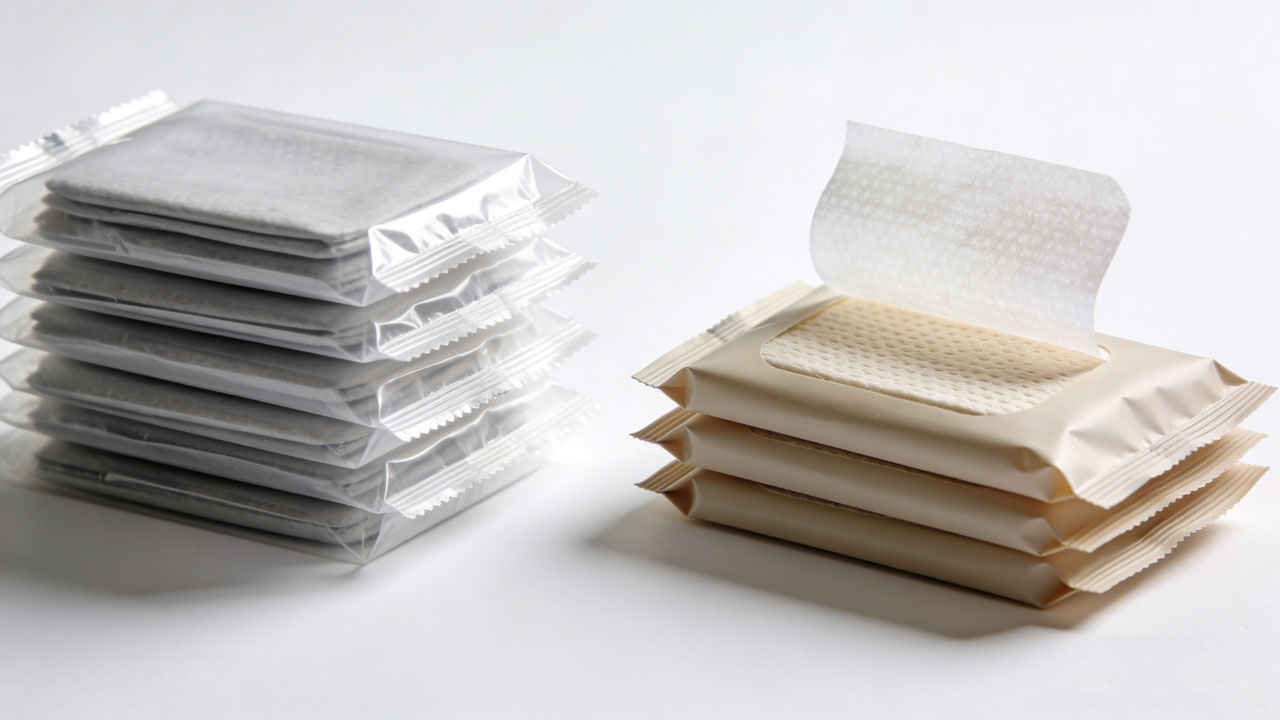 Three critical differences emerged during our 6-month product testing:
- 1. Material Composition
| Feature | Eco Wipes | Traditional Wipes |
|---|---|---|
| Base Fiber | Bamboo/Cotton Blend (82% plant-based) | Polyester/Polypropylene (100% synthetic) |
| Decomposition | 3-6 months (soil) | 100+ years (landfill) |
| Moisture Content | 60-70% water solution | 40-50% chemical solution |
- 2. Supply Chain Impact
- 3. End-User Experience
What Certifications Matter Most for Global Wipes Distribution?
The certification folder on my desk holds seven different seals. Three actually unlocked foreign markets last quarter. FSC, EU Ecolabel, and BPI certifications represent the minimum requirements for uncontested global trade, while FDA and SGS approvals facilitate specific regional market access. Our shipment to Germany got held for lacking TÜV Austria validation - a €3,200 lesson in due diligence.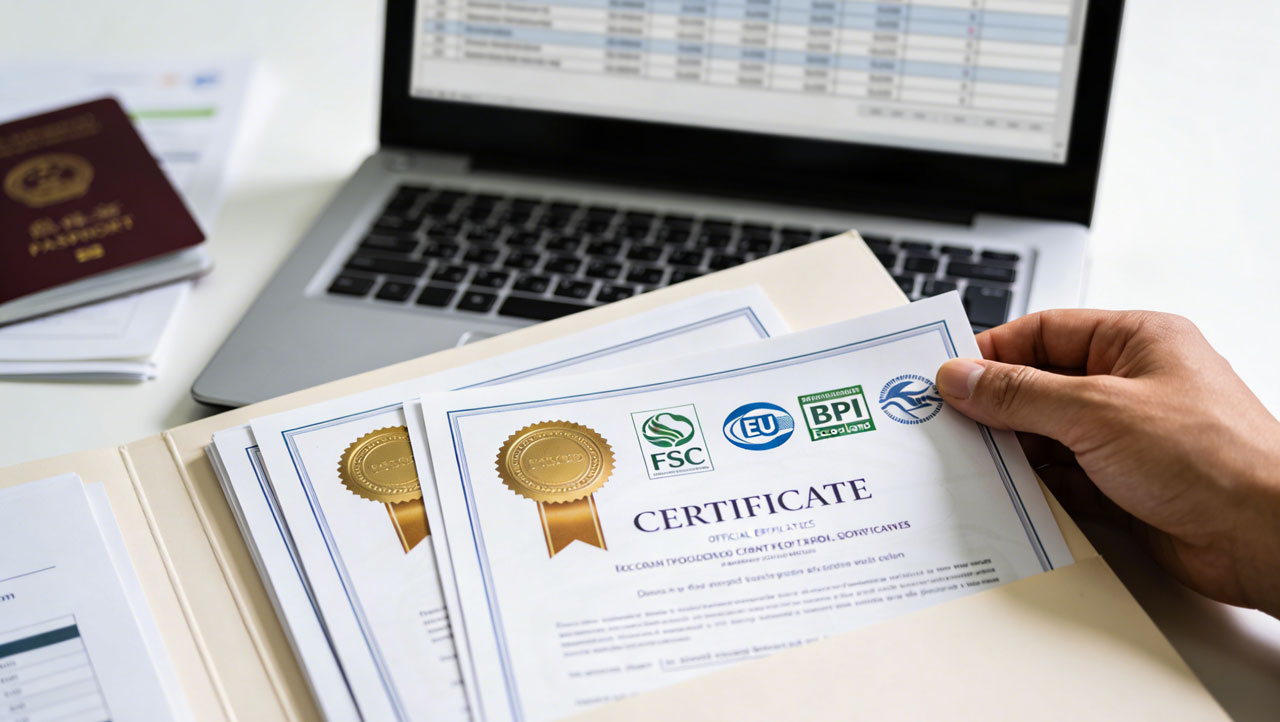 Navigating the certification maze requires understanding regional priorities:
North American Markets
- BPI Certification: Essential for compostability claims
- FDA Compliance: Required for food service/hospital use
- FSC Label: Growing demand from corporate buyers
European Union
- EU Ecolabel: Mandatory for public sector contracts
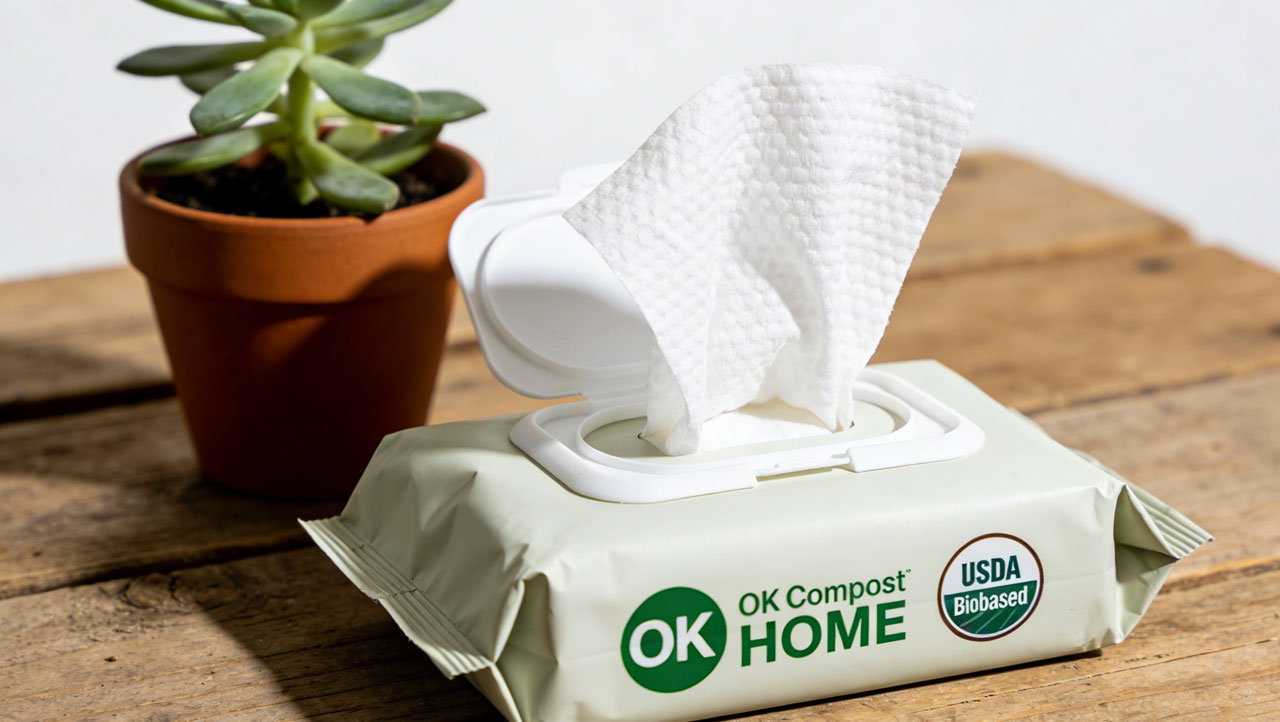
- TÜV OK Compost: Validates home compostability
- REACH Compliance: Chemical safety regulations
Asia-Pacific Regions
- SGS Reports: Verifies product safety claims
- BSCI Certification: Ethical production standards
- Bamboo Origin Certificates: Required in Japan/Korea
How Can Businesses Transition to Sustainable Bulk Wipes?
The transition roadmap we developed has four implementation phases: 1. Audit Current Usage Log three months of wipe consumption across departments. Categorize by:- Industrial cleaning
- Personal hygiene
- Food service
- Medical applications
- Bamboo wipes for cosmetics
- Cotton blend for baby care
- Wood pulp for heavy cleaning
- Small bulk orders (5-10 cases)
- Different material compositions
- Varied certification packages
- One facility first
- Then regionally
- Finally globally
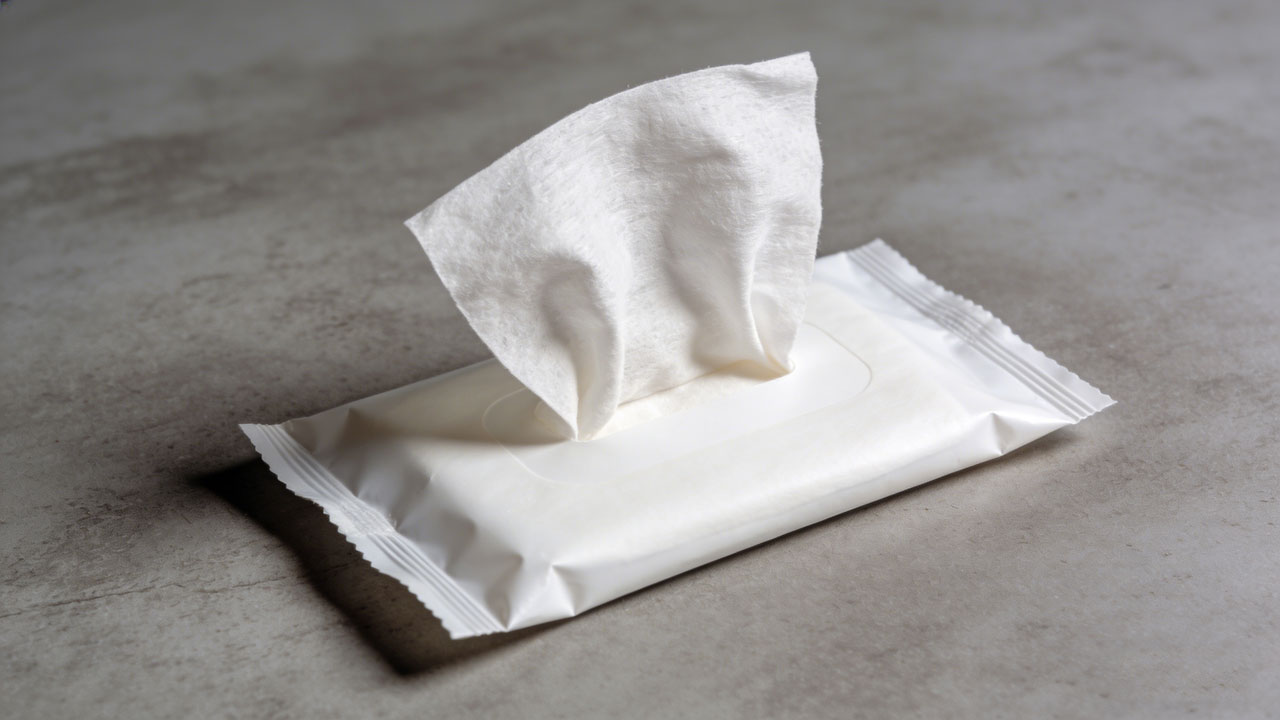 Our own transition revealed unexpected benefits:
- 19% reduction in waste disposal costs
- Qualification for green business tax credits
- New sustainability-focused clients
Conclusion
Eco-friendly bulk wipes now offer viable wholesale solutions for global trade through certified suppliers meeting diverse environmental standards while providing competitive total cost benefits. The transition requires careful planning but delivers measurable operational and financial advantages.This article was published on December 29, 2025, and last updated on February 27, 2026. The article will be continuously updated.