

Companies today face growing pressure to adopt sustainable practices. Traditional disposable wipes create environmental concerns that consumers notice immediately.
Biodegradable B2B wipes offer brands an eco-friendly alternative that decomposes naturally while providing full customization options for corporate branding. These products meet strict environmental standards while serving as mobile advertising tools when customized with logos or messages.
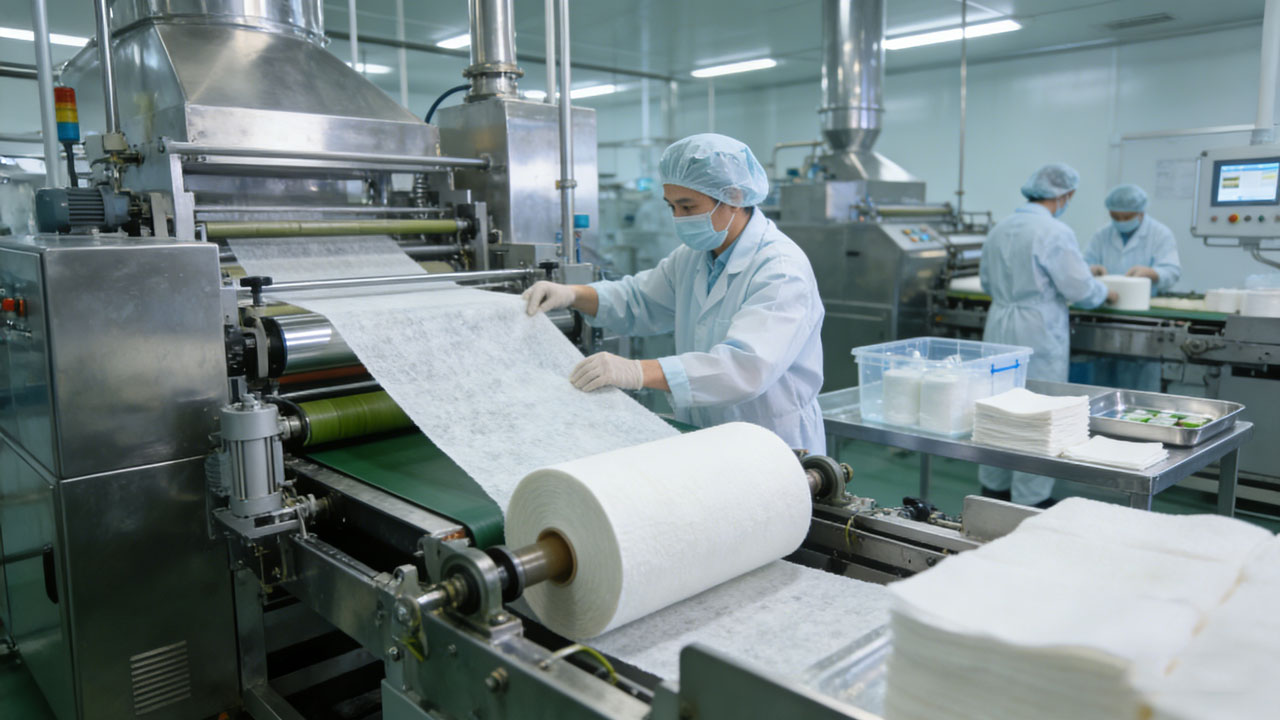 Businesses exploring sustainable alternatives often overlook disposable products. Biodegradable wipes solve this problem while creating brand visibility opportunities that last beyond the product's use.
Why Should Businesses Choose Biodegradable Over Regular Wipes?
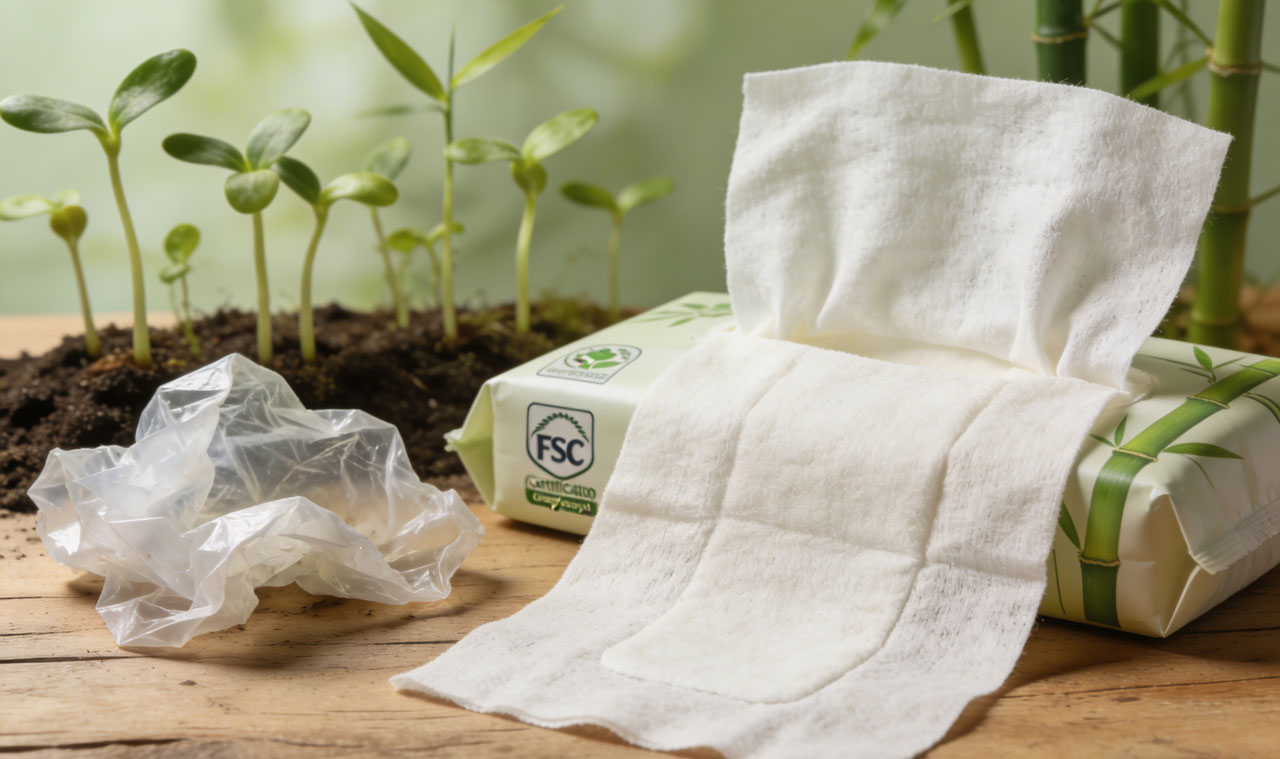
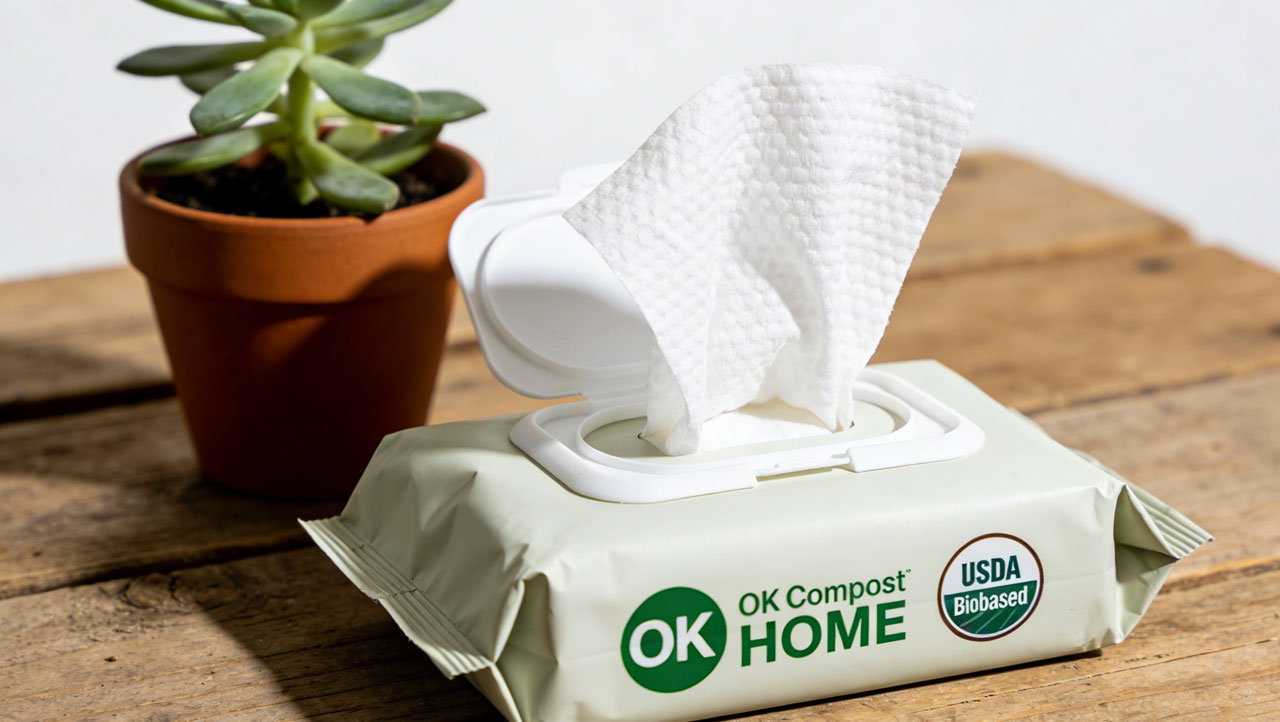
Environmental regulations are tightening across industries. Single-use plastics face bans in many regions already. Biodegradable wipes break down within months rather than centuries, preventing long-term pollution and meeting corporate sustainability goals. They perform equally to conventional wipes while eliminating future liability from environmental damage claims.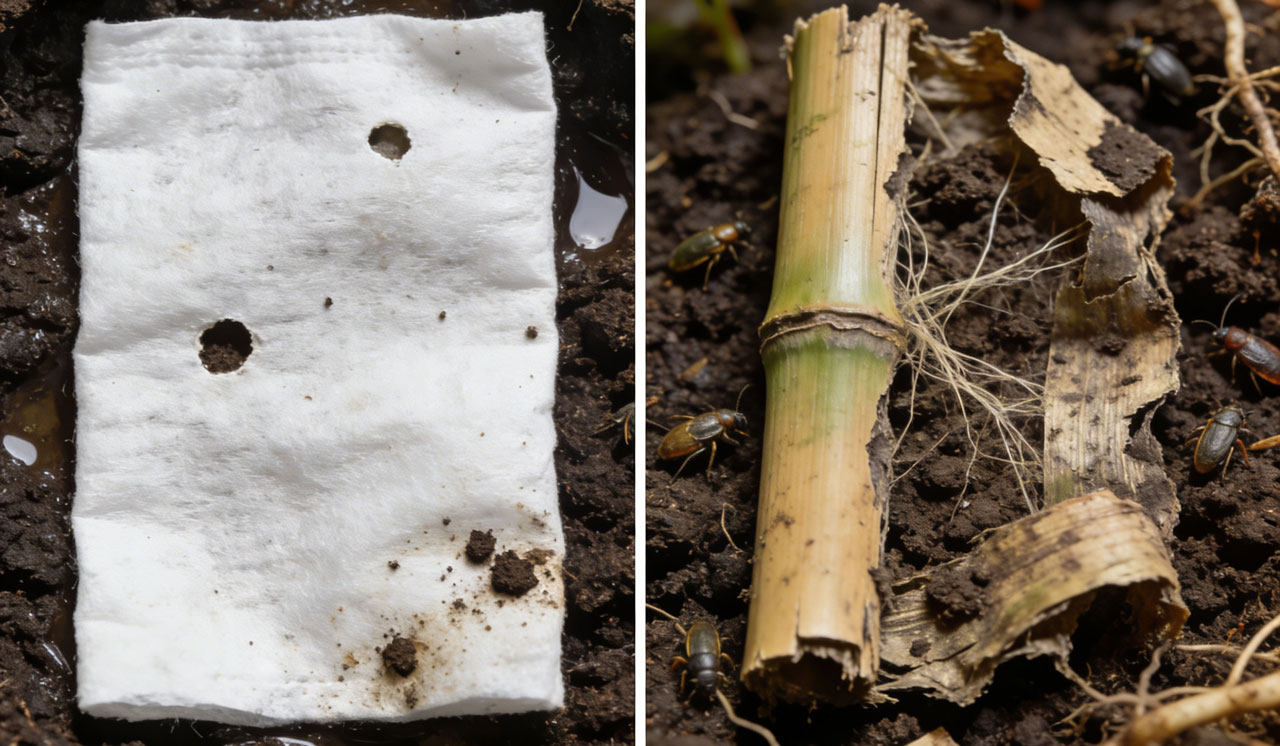 The materials used in biodegradable wipes differ significantly from traditional options:
| Feature | Regular Wipes | Biodegradable Wipes |
|---|---|---|
| Material | Synthetic fibers | Bamboo/organic cotton |
| Decomposition | 100+ years | 3-6 months |
| Custom printing | Standard dye | Eco-friendly ink |
| Cost per unit | $0.15 avg | $0.21 avg |
How Do Customizable Wipes Enhance Brand Marketing?
Promotional products often end up discarded quickly. Useful items with branding stay in circulation longer. Custom-branded wipes gain repeated visibility as users carry them in cars, bags, and workspaces—each use reinforcing brand recognition. Practical products with daily utility outperform traditional giveaways in recall tests by 300%.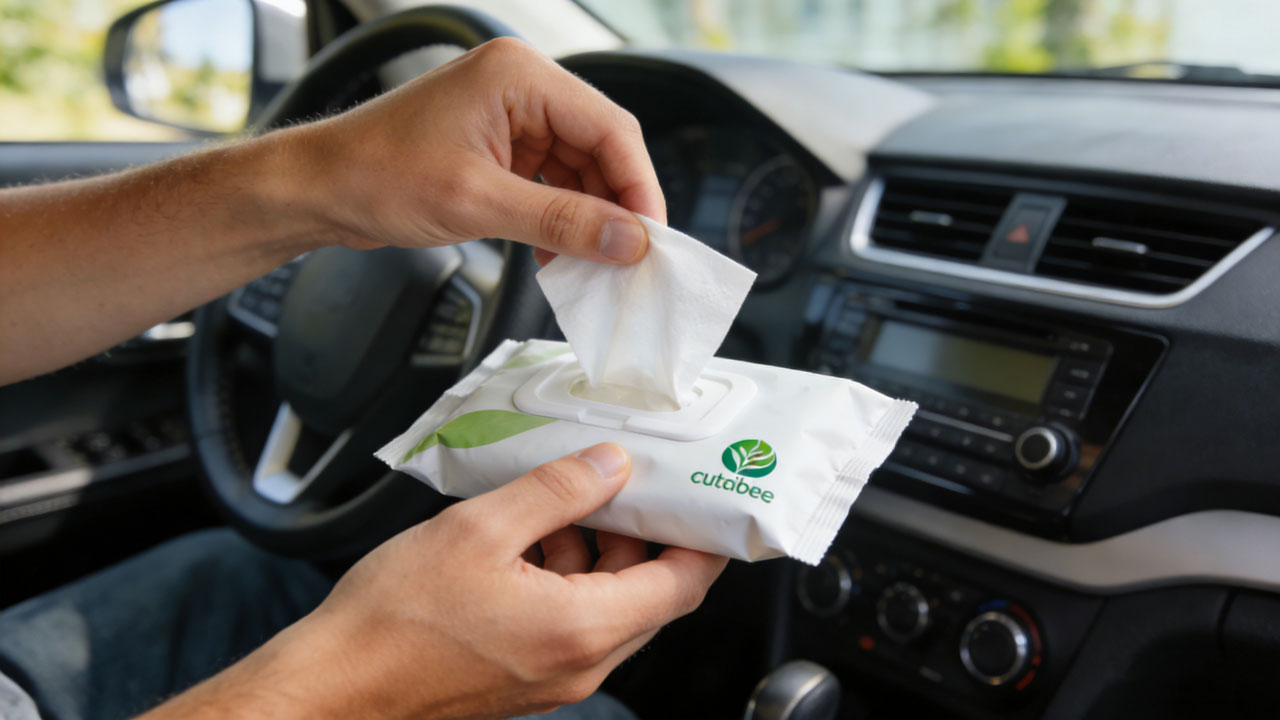 Effective custom wipes campaigns consider these factors:
- 1. Placement strategy
- 2. Design elements
- 3. Usage contexts
What Customization Options Exist for Brand Partners?
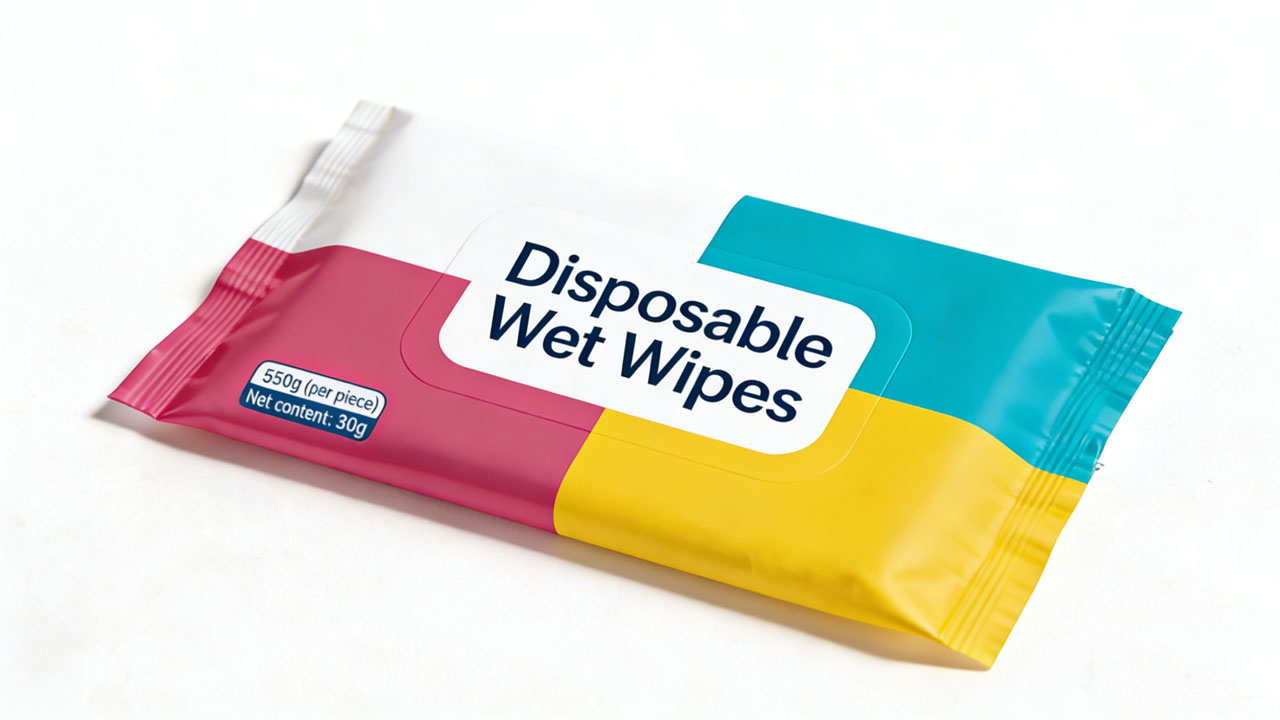
Standard off-the-shelf products limit branding potential. True customization addresses various business needs. Leading manufacturers offer packaging design, material composition, scent profiles, and wipe sizing—all tailored to brand specifications and intended use cases. Minimum orders start at 2,500 units, accommodating both small campaigns and bulk procurement.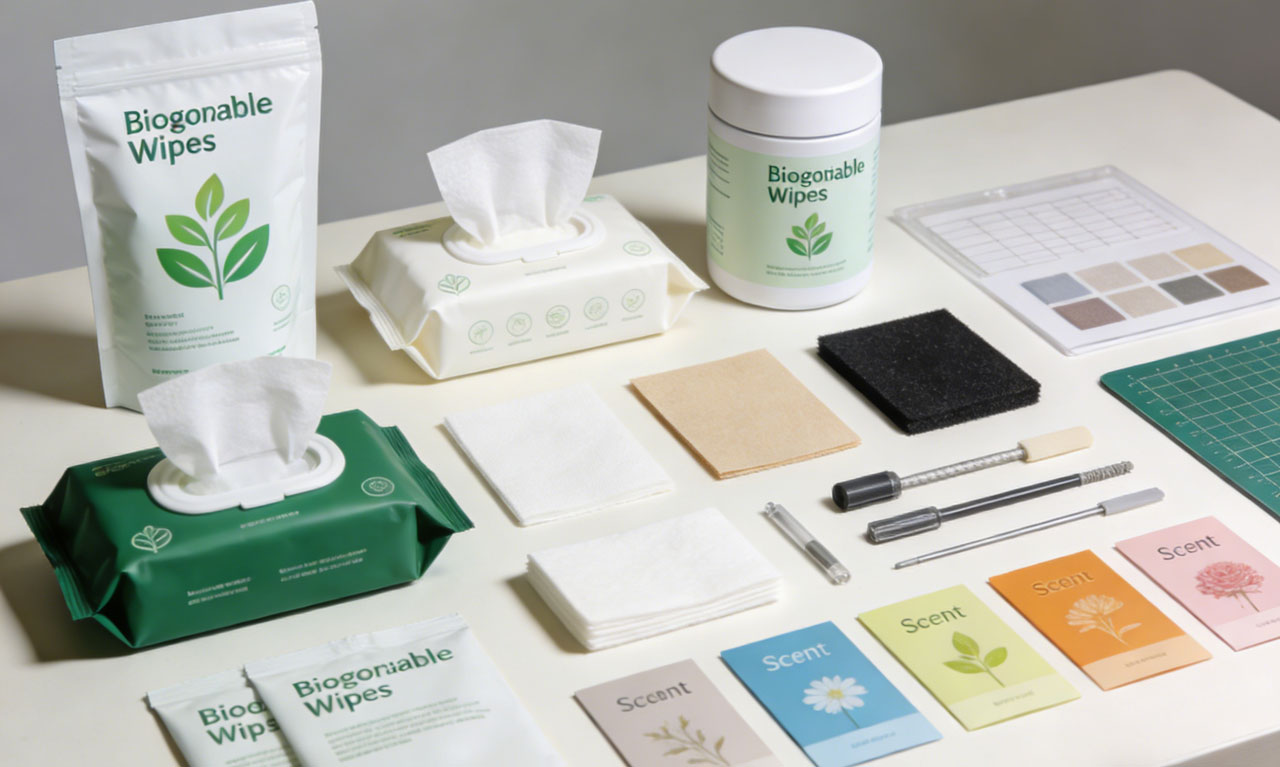 The customization process typically follows these steps:
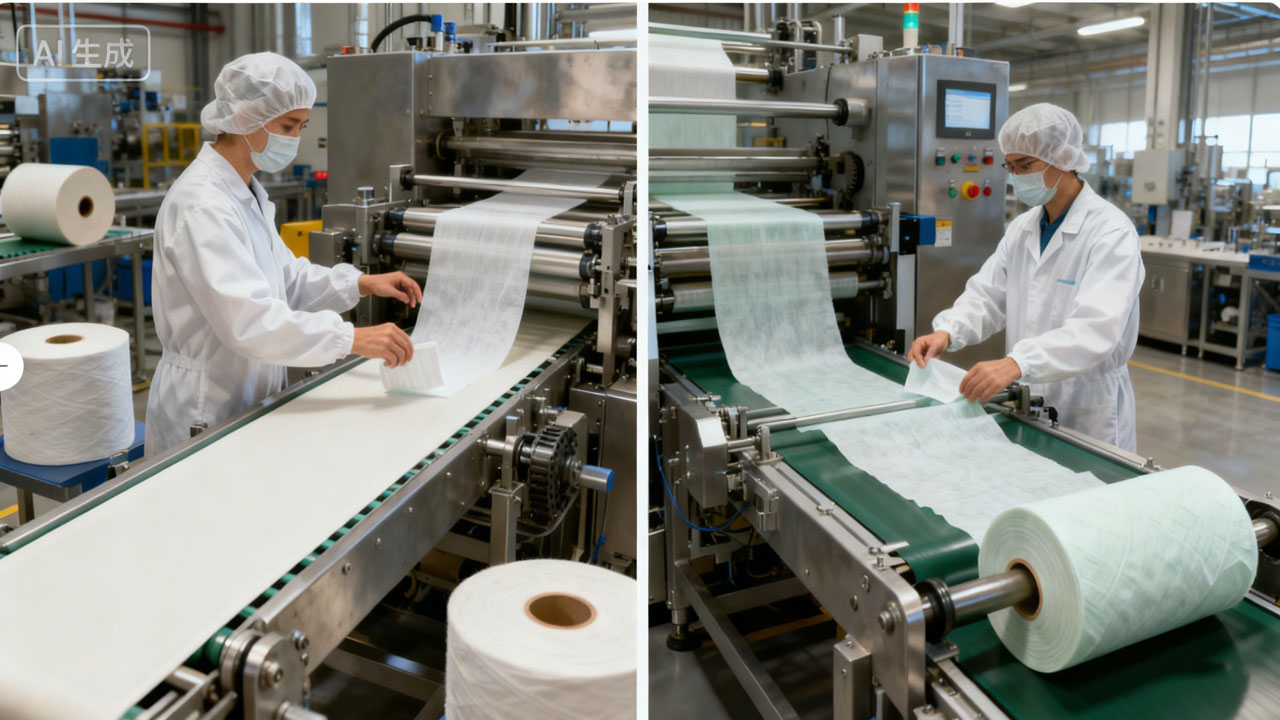
- 1. Material selection - Choices include bamboo, organic cotton, or wood pulp blends with varying texture densities
- 2. Solution formulation - Alcohol-free, antibacterial, or specialty cleaning solutions matched to wipe purpose
- 3. Packaging design - Pouches, canisters, or dispensers with branded colors/patterns
- 4. Printing technique - Screen printing, thermal transfer, or embossing for logos/text
- 5. Distribution format - Individual packs, bulk boxes, or refill systems
This article was published on December 31, 2025, and last updated on February 27, 2026. The article will be continuously updated.